Moon's 'wobble' will lead to decade of increased coastal flooding in 2030s, Nasa warns
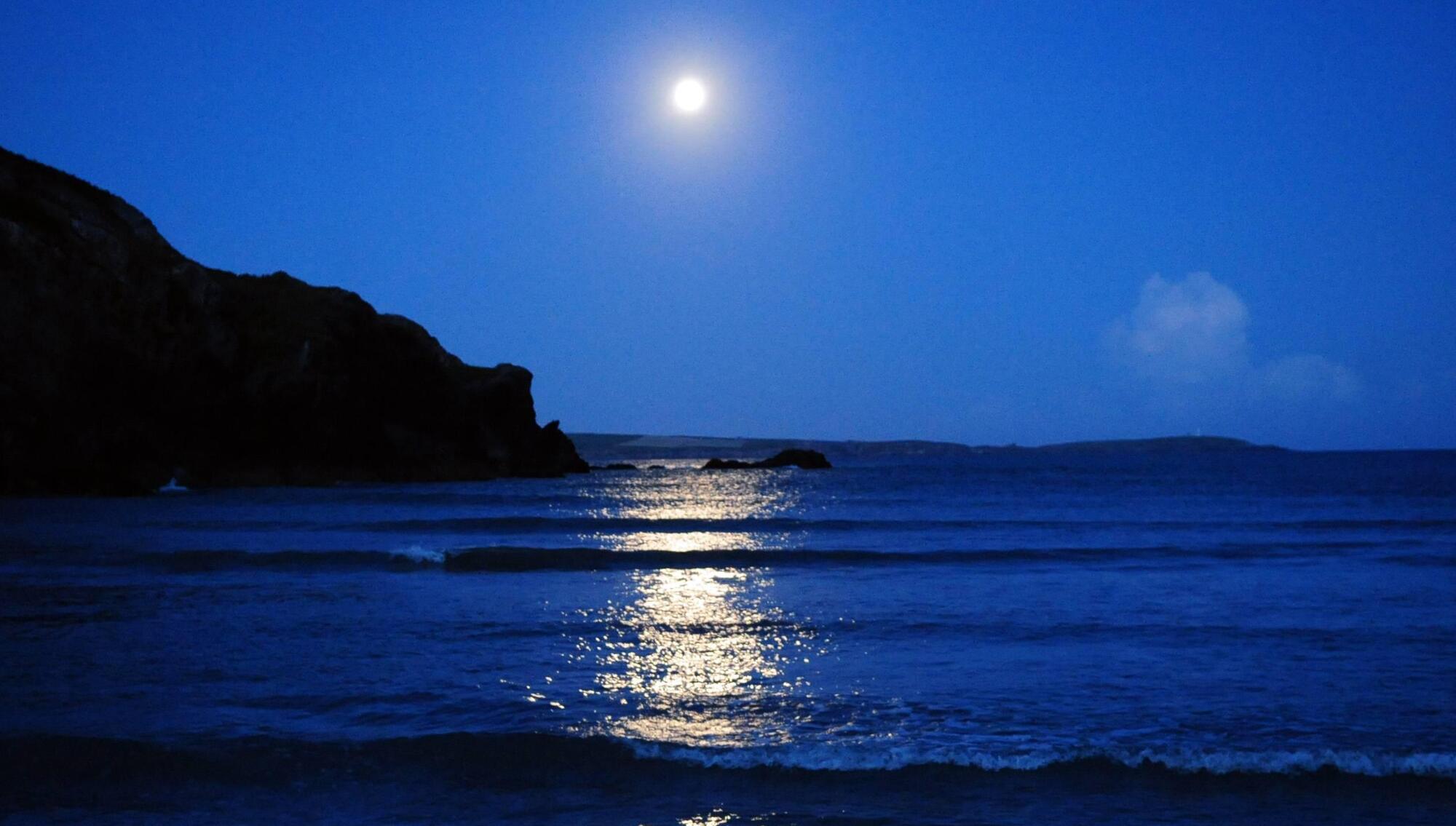
Nasa says that their research shows these flooding events are likely to occur due to high tides triggered by a shift in the moon’s orbit and rising sea levels. Picture: Eddie O'Hare
A "wobble" in the moon's orbit, combined with rising sea levels, will lead to a decade of "dramatic increases" in coastal flooding events in the 2030s, Nasa has warned.
The space agency says that their research shows these flooding events are likely to occur due to high tides triggered by a shift in the moon’s orbit and rising sea levels.
The study, published in the Nature Climate Change journal, Nasa explains that "global sea-level rise pushes high tides in only one direction – higher.
“So half of the 18.6-year lunar cycle counteracts the effect of sea-level rise on high tides, and the other half increases the effect.”
Nasa says that the moon is currently in its "tide amplifying cycle" and therefore there is no cause for concern of dramatic flooding.
In the 2030s, the lunar cycle will be in the phase that increases high tides and there will be almost a decade of rising sea levels that will contribute to major flood events.
The study predicts that will cause more frequent flooding coastal regions, sometimes in clusters that could last more than a month.
Scientists are predicting that there could be more than 2000 floods in the United States each year by the 2030s.
For comparison, the National Oceanic and Atmospheric Administration (NOAA), recorded just 600 flood events in the US in 2019.
“When the Moon and Earth line up in specific ways with each other and the Sun, the resulting gravitational pull and the ocean’s corresponding response may leave city-dwellers coping with floods every day or two,” NASA added.
"Low-lying areas near sea level are increasingly at risk and suffering due to the increased flooding, and it will only get worse."
The study noted: "The higher seas, amplified by the lunar cycle, will cause a leap in flood numbers on almost all US mainland coastlines, Hawaii, and Guam.
"Only far northern coastlines, including Alaska's, will be spared for another decade or longer because these land areas are rising due to long-term geological processes."
The authors of the study hope that the information can be used to mitigate environmental and economic damage caused by increased flooding.
CONNECT WITH US TODAY



Be the first to know the latest news and updates