The 5 deadliest mass shootings in US history
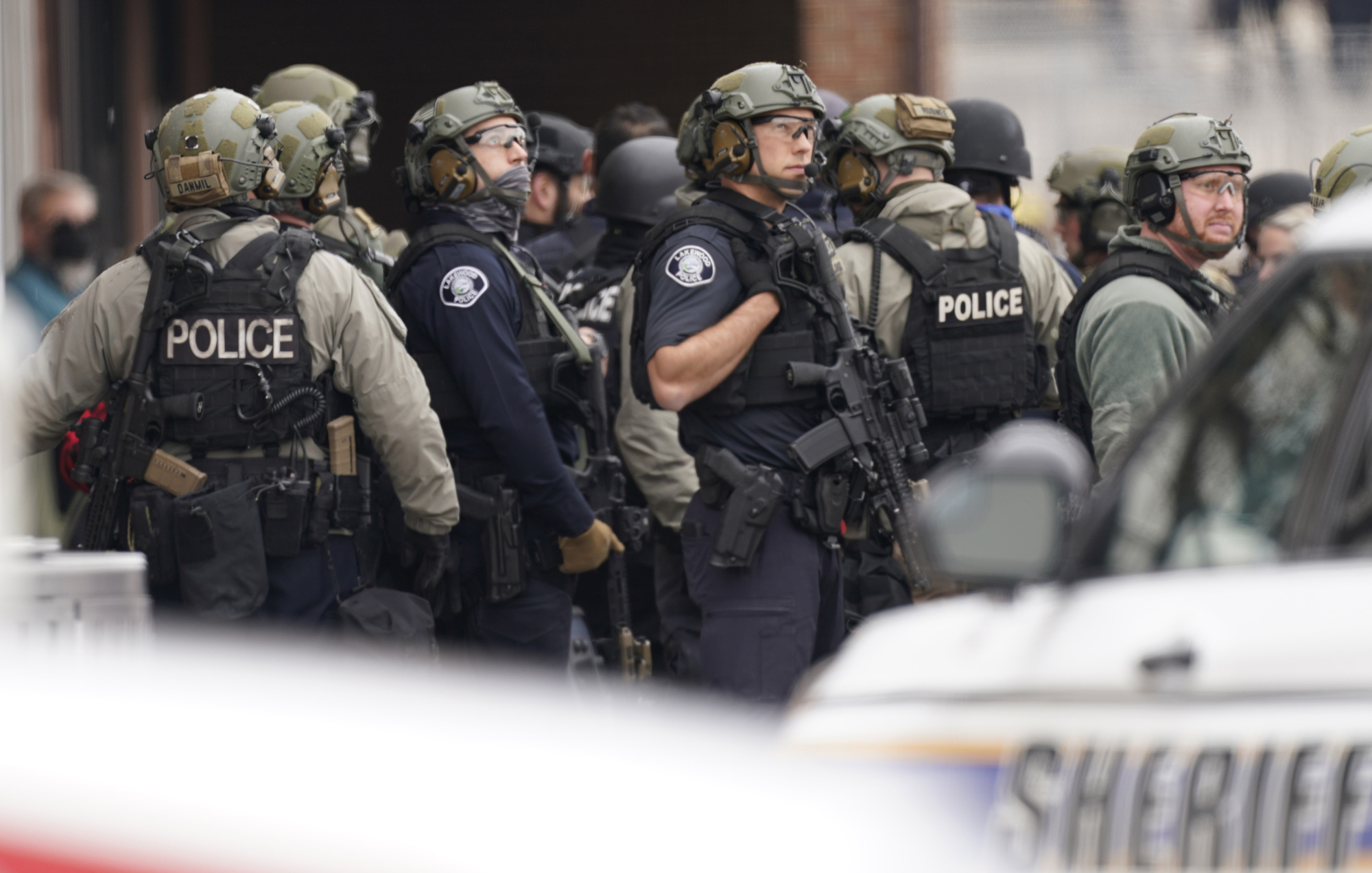
Police work on the scene outside a King Soopers grocery store where a shooting took place Monday, March 22, 2021, in Boulder, Colorado. Picture: AP Photo/David Zalubowski
A shooting at a Colorado supermarket killed 10 people, including a police officer who was the first to respond to the scene, authorities said.
Police have identified a 21-year-old man as the suspect.
He is undergoing treatment at a hospital and is expected to be booked into the county jail.
A law enforcement official briefed on the shootingsaid that the gunman used an AR-15 rifle, a lightweight semi-automatic rifle. Officials are attempting to trace the gun.
The attack was the seventh mass killing this year in the US, following last week’s shooting that left eight people dead at three Atlanta-area massage businesses.
Here we look at five of the deadliest mass shooting incidents in the US.
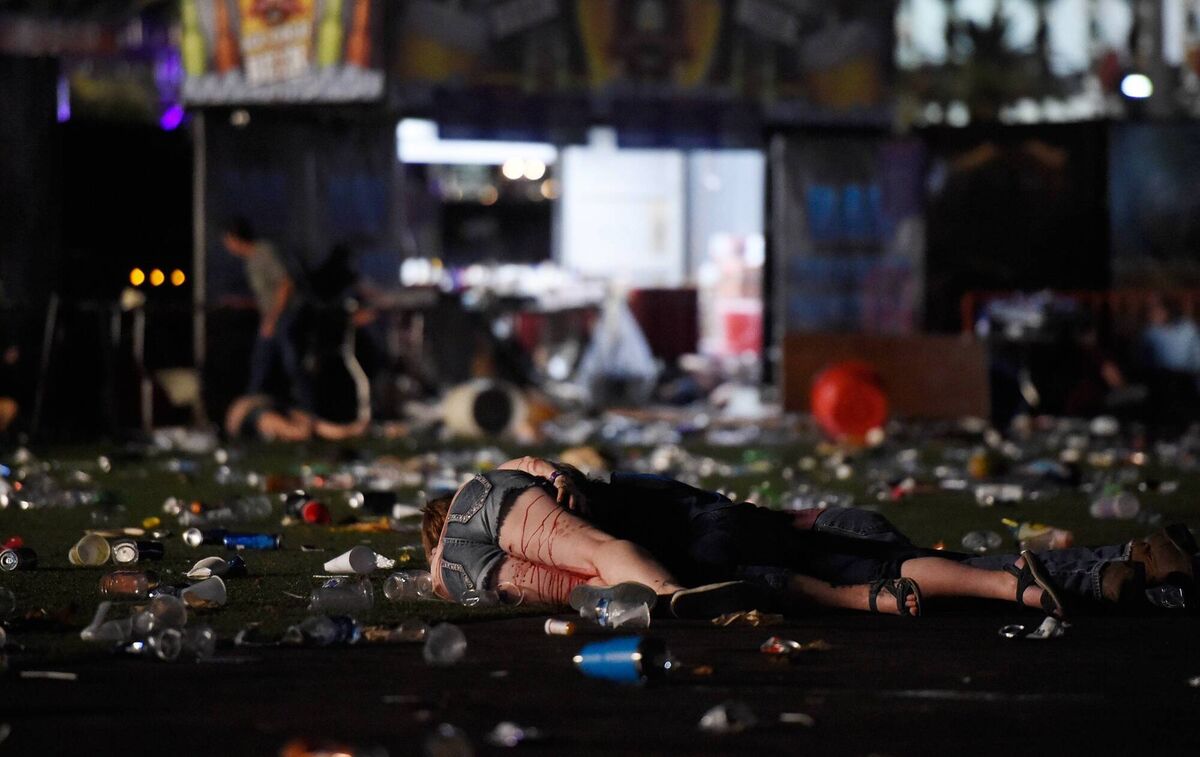
On October 2, 2017, a opened fire on a crowd of spectators attending the Route 91 Harvest music festival on the Las Vegas strip.
Shortly after 10pm, Stephen Paddock, 64, fired more than 1,000 rounds from the 32nd floor of the Mandalay Bay Hotel, overlooking the festival and continued firing for 10 minutes.
Paddock killed 58 people and wounded 411 with more than 20 guns, including 14 AR-15 type rifles, all of which were legally bought.
He was found dead in his hotel room an hour later from a self-inflicted gunshot.
The deadliest mass shooting in US history, attention turned to the bump stock attachment for assault rifles which allowed them to fire at a rate similar to automatic weapons.
Bump stocks were banned by the US Department of Justice in December 2018.
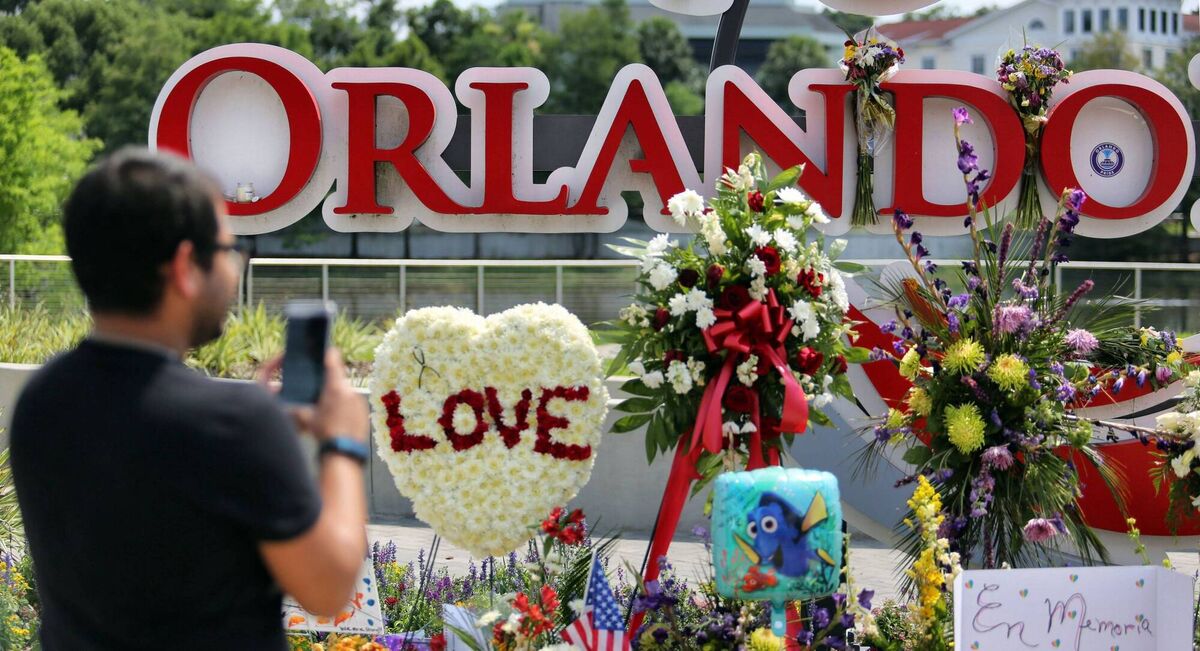
On June 12, 2016, a 29-year-old local man entered the Pulse nightclub in Orlando, Florida and opened fire.
Omar Mateen shot and killed 49 people and wounded 53 inside the club, one of Orlando's most popular LGBTQ+ night spots.
Local media reported at the time the nightclub was hosting a "Latin Night" and that most of the victims of the shooting were Latino.
According to local police, in a 911 call shortly after the shooting, the killer swore allegiance to the leader of the so-called Islamic State, Abu Bakr al-Baghdadi.
Mateen told negotiators at the scene that US-led interventions in Iraq and Syria were the motive for his attack on the night club.
The gunman was shot and killed by Orlando police following a three-hour standoff.
The Federal Bureau of Investigation (FBI) called the shooting a terror attack.
It is the deadliest attack on the American LGBTQ+ community and the deadliest terror attack since the September 11 attacks in 2001.
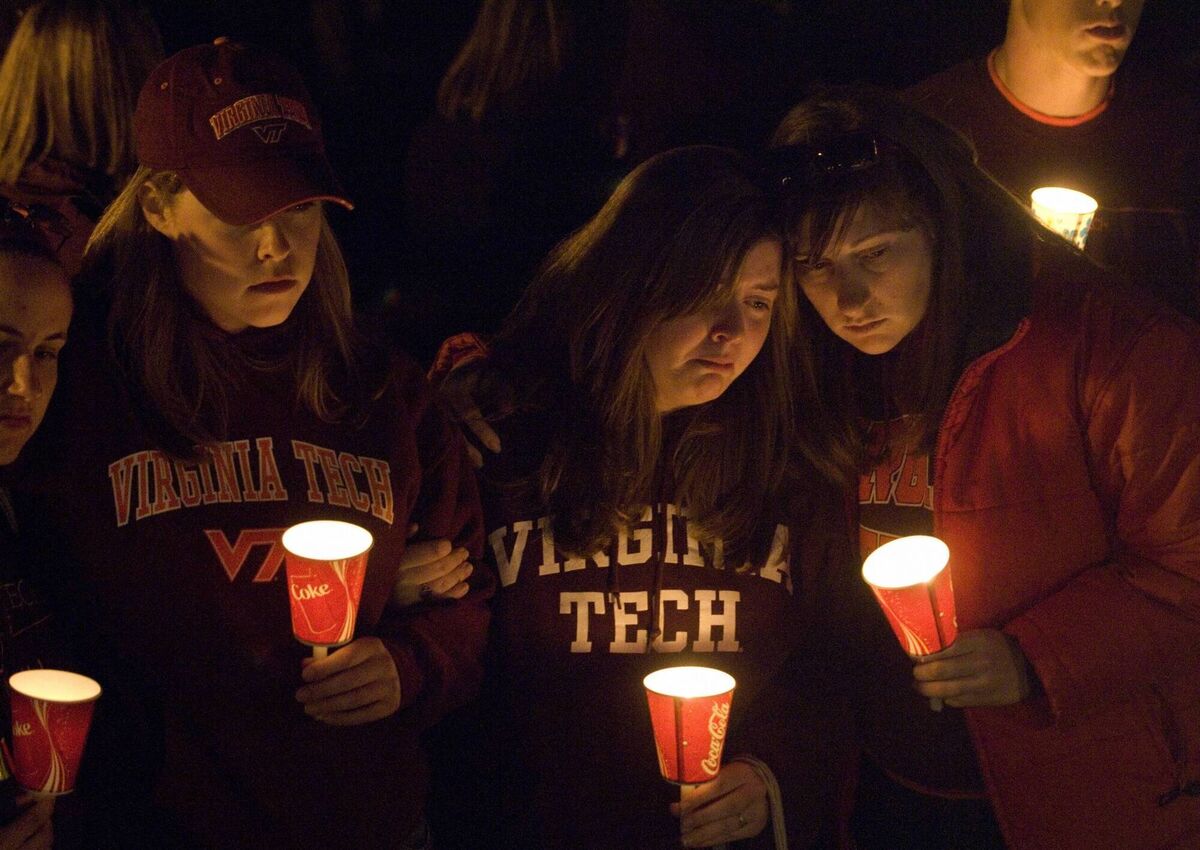
The shooting at Virginia Tech remains the deadliest school shooting in US history.
The incident occurred in two buildings on the Virginia Polytechnic Institute and State University, the West Ambler Johnston Hall and Norris Hall.
Gunman Seung-Hui Cho, a student at the university killed 32 people and wounded 17 others with two semi-automatic pistols. Six further people were injured trying to escape.
Cho fatally shot himself as Virginia police stormed the building he was in.
The attack, which received global news coverage, provoked widespread discussions and criticism of US gun control laws and mental health systems.
Before the shooting, Cho was diagnosed with "severe depression" and was declared mentally ill following an incident in which he was accused of stalking two female students.
Despite receiving treatment, Cho was not institutionalised and because of this, he was still allowed to buy guns legally.
The shooting led to the state of Virginia closed the loopholes which allowed people deemed "mentally unsound" to buy handguns without it being flagged in a national criminal background check.
On the national level, it led to a strengthening of federal background checks for the buying of guns. The law, signed by former US president George W Bush is the only major gun control measures enacted since 1994.
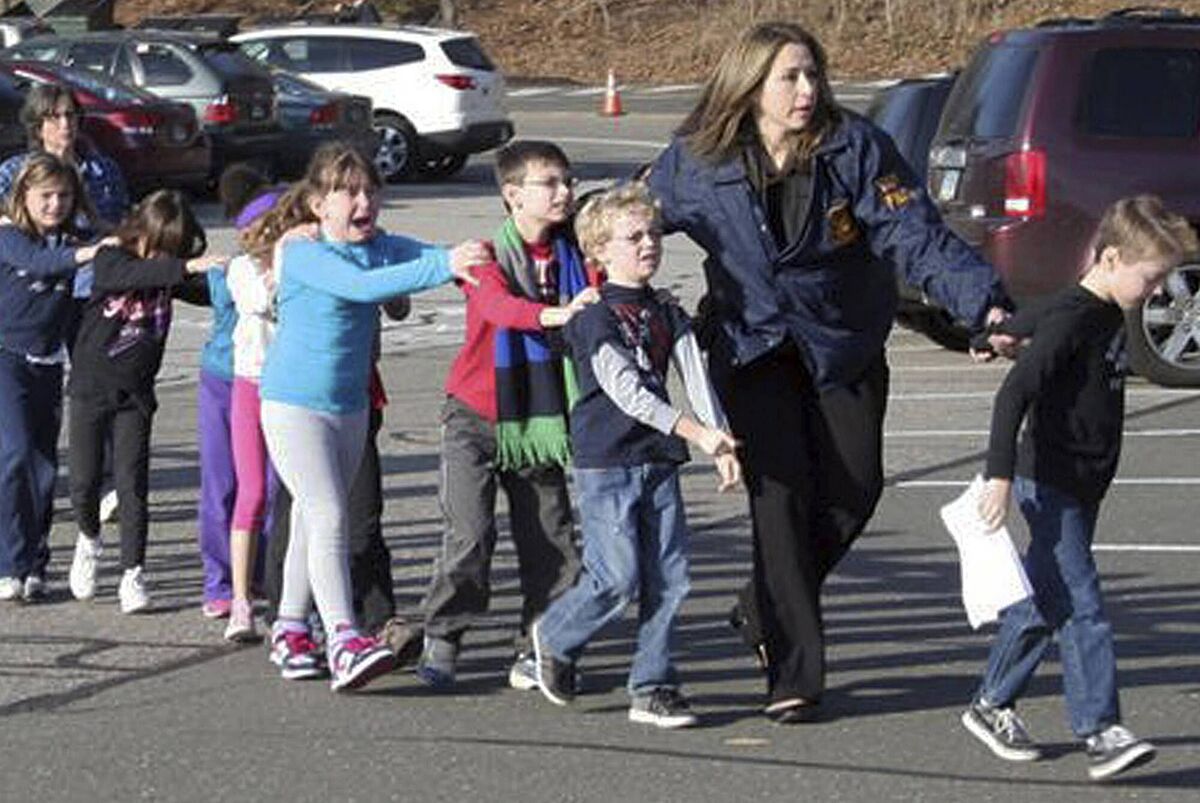
On December 14, 2012, a gunman walked into Sandy Hook Elementary School, shooting and killing 26 people, many of them children.
Adam Lanza, 20, 20 children between six and seven years old, as well as six adult members of the school staff.
Earlier in the day, Lanza shot and killed his mother at their home in Newtown, before driving to Sandy Hook.
As first responders and emergency services arrived at the school, Lanza took his own life.
A reported following the shooting came to the result that Lanza acted alone but did not provide a motive for the attack on the school.
Further reports concluded that Lanza has Asperger Syndrome as well as suffering from depression, anxiety and obsessive-compulsive disorder as a teenager, none of which they found contributed to the shooting.
The report from the Office of Child Advocate concluded Lanza's "severe and deteriorating internalized mental health problems ... combined with an atypical preoccupation with violence ... (and) access to deadly weapons ... proved a recipe for mass murder"
The school shooting led to further discussions on US gun control and while progress was made at the state level, the Assualt Weapons Ban 2013 and an amendment to expand background checks on gun buyers were defeated by the Republican-controlled US Senate.
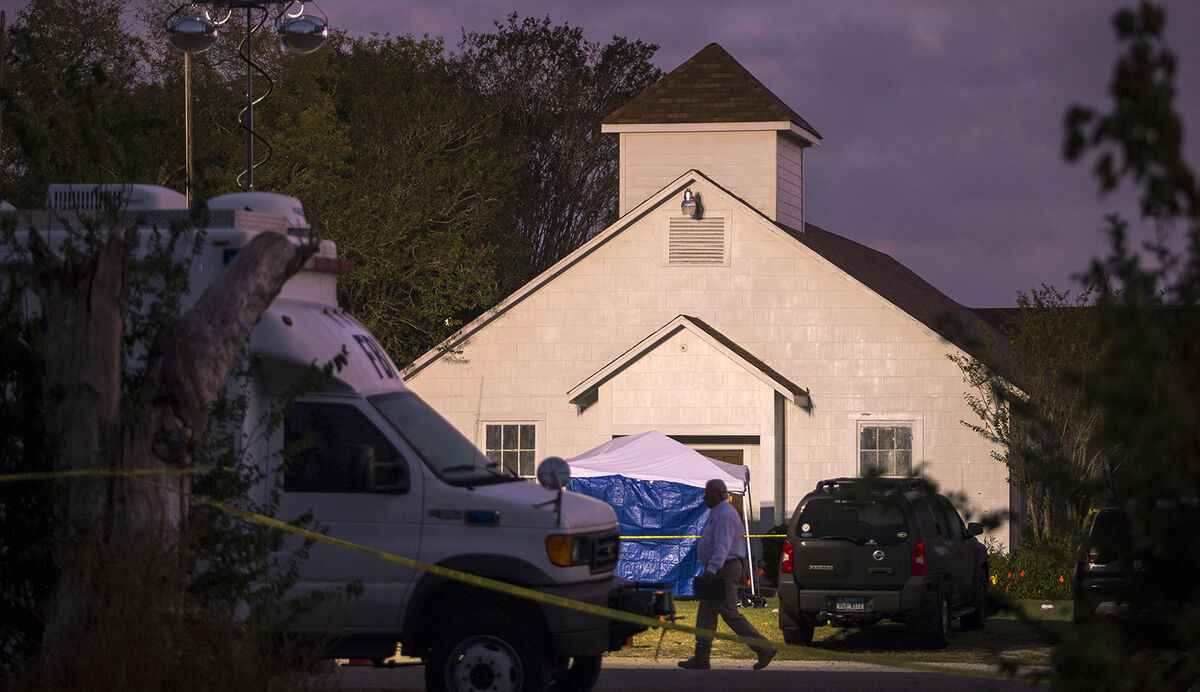
On November 5, 2017, a man arrived outside of the First Baptist Church in Sutherland Springs in full tactical gear, wearing a bullet-proof vest, a black facemask and wielded a sem-automatic rifle.
Devin Patrick Kelley shot two people outside the doors of the church and proceeded inside when he shot and killed 26 more people, wounding 20 others.
In the aftermath, police stated he fired more than 700 rounds during the 11-minute incident.
Kelley, who had previously served in the US airforce was then confronted by a man who fired at him from behind cover across the street.
The man, Stephen Willeford, wounded Kelley who then fled the scene in his truck.
Willeford, a former NRA instructor, and another man followed the shooter out of town before Kelley lost control of his vehicle after a high-speed chase and crashed.
He lay in his vehicle until police arrived and found him dead from his injuries.
Kelley was prohibited from buying or owning guns and ammunition following a conviction for domestic violence while serving in the air force, however, when police search his vehicle they found two handguns, both of which had been bought and paid for by the gunman.
The conviction was never recorded by the US Air Force in the FBI database used to prohibit gun purchases, prompting a review of the system.
CONNECT WITH US TODAY



Be the first to know the latest news and updates