EMA begins rolling review of Russian Covid-19 vaccine
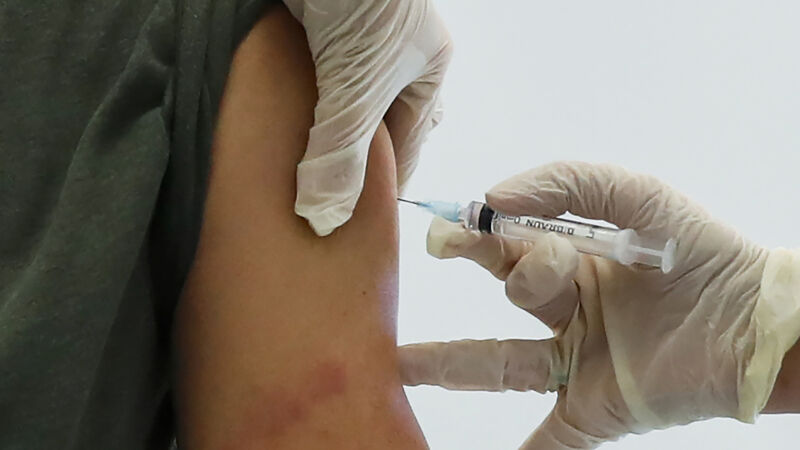
A Russian medical worker administers a shot of Russia's Sputnik V coronavirus vaccine in Moscow File picture: AP Photo/Pavel Golovkin
The European Medicines Agency has started a “rolling review” of Russia’s Covid-19 vaccine.
Interim data – published last month – from the phase three trial of the Russian vaccine, Gam-COVID-Vac (Sputnik V), suggests a two-dose regimen of the vaccine offers 91.6% efficacy.
The EMA's human medicines committee has begun the review based “on results from laboratory studies and clinical studies in adults.
“These studies indicate that Sputnik V triggers the production of antibodies and immune cells that target the SARS-CoV-2 coronavirus and may help protect against Covid-19.”
The review will continue “until enough evidence is available for formal marketing authorisation application,” the EMA said.
It stated that it will evaluate data as they become available to decide if the benefits outweigh the risks.
“EMA will assess Sputnik V’s compliance with the usual EU standards for effectiveness, safety and quality. While EMA cannot predict the overall timelines, it should take less time than normal to evaluate an eventual application because of the work done during the rolling review.
“EMA will communicate further when the marketing authorisation application for the vaccine has been submitted.”
Professor of Immunology at Trinity College Dublin Luke O'Neill said it is “a very safe” vaccine.
“Even though we were anxious about it, in January we were worrying about the Sputnik.
“It’s been in 50 million people with [a] great safety profile, highly efficacious. Why wouldn’t the EMA approve it?”
A rolling review is a regulatory tool that EMA uses “to speed up the assessment of a promising medicine during a public health emergency”.
The EMA said that in normally “all data on a medicine or vaccine’s effectiveness, safety and quality and all required documents must be ready at the start of the evaluation in a formal application for marketing authorisation.
“In the case of a rolling review, EMA’s human medicines committee (CHMP) reviews data as they become available from ongoing studies.
“Once the CHMP decides that sufficient data are available, the company can submit a formal application. By reviewing the data as they become available, the CHMP can come to an opinion on the medicine’s authorisation sooner.”