Fish, sulphur, and burnt toast among scents haunting long Covid patients
ENT surgeon Professor Nirmal Kumar said this “very strange and very unique” long-term symptom known as parosmia seems to be affecting young people and healthcare workers in particular.
Long Covid patients are being haunted by “unbearable” odours like fish and burning in place of normal smells, researchers say, as more unusual symptoms of the virus emerge.
ENT (ear, nose and throat) surgeon Professor Nirmal Kumar said this “very strange and very unique” long-term symptom known as parosmia seems to be affecting young people and healthcare workers in particular.
The surgeon, who is also the president of ENT UK, was among the first medics to identify anosmia, loss of smell, as a coronavirus indicator in March, and urged Public Health England to add it to the symptom list months before it became official guidance.

After treating and studying patients with long-term anosmia, something he said has affected thousands of people across the UK, Prof Kumar noticed that some were recovering only to experience parosmia.
Prof Kumar told the PA news agency: “This morning I saw two patients with parosmia.
“One said they could smell fish in place of any other scent, and the other can smell burning when there is no smoke around.
“Both are healthcare workers, and we think there is increased incidence in young people and also in healthcare workers because of exposure to the virus in hospitals.
“For some people, it is really upsetting them.”
“We are calling it neurotropic virus,” he added.
“What this means is the virus is affecting the nerves in the roof of the nose – it’s like a shock to your nervous system, and the nerves aren’t functioning.”

Daniel Saveski, a 24-year-old banker living in London, said he lost his sense of taste and smell for two weeks after contracting coronavirus in March, and has been suffering with parosmia since.
Mr Saveski, from West Yorkshire, said strong-smelling things like bins now have a burning, sulphur-like odour, or smell “like toast”.
He added: “It’s lessened my enjoyment of food, and it’s a bit depressing not being able to smell certain foods.”
Lynn Corbett, an administrator for an estate agent, said she was “shocked” to wake up on her 52nd birthday in March with “absolutely no smell or taste”.
Ms Corbett, from Selsey in Sussex, said: “From March right through to around the end of May I couldn’t taste a thing – I honestly think I could have bitten into a raw onion such was my loss of taste.”
She said her sense of smell began to return in June, but “nothing smelled like it should”.

“Most things smelled disgusting, this sickly sweet smell which is hard to describe as I’ve never come across it before,” she said.
She added that despite being a “coffee addict” before March, the drink now smells “unbearable”, as do beer and petrol.
Ms Corbett said: “I’m not sure if things will ever return to the way they were.
“I’m OK with it, I just think myself lucky that if I did have coronavirus, which it looks like I did, then I haven’t been seriously ill, hospitalised or died from it like so many others.”
Charity AbScent, which supports people with smell disorders, is gathering information from thousands of anosmia and parosmia patients in partnership with ENT UK and the British Rhinological Society to aid the development of therapies.
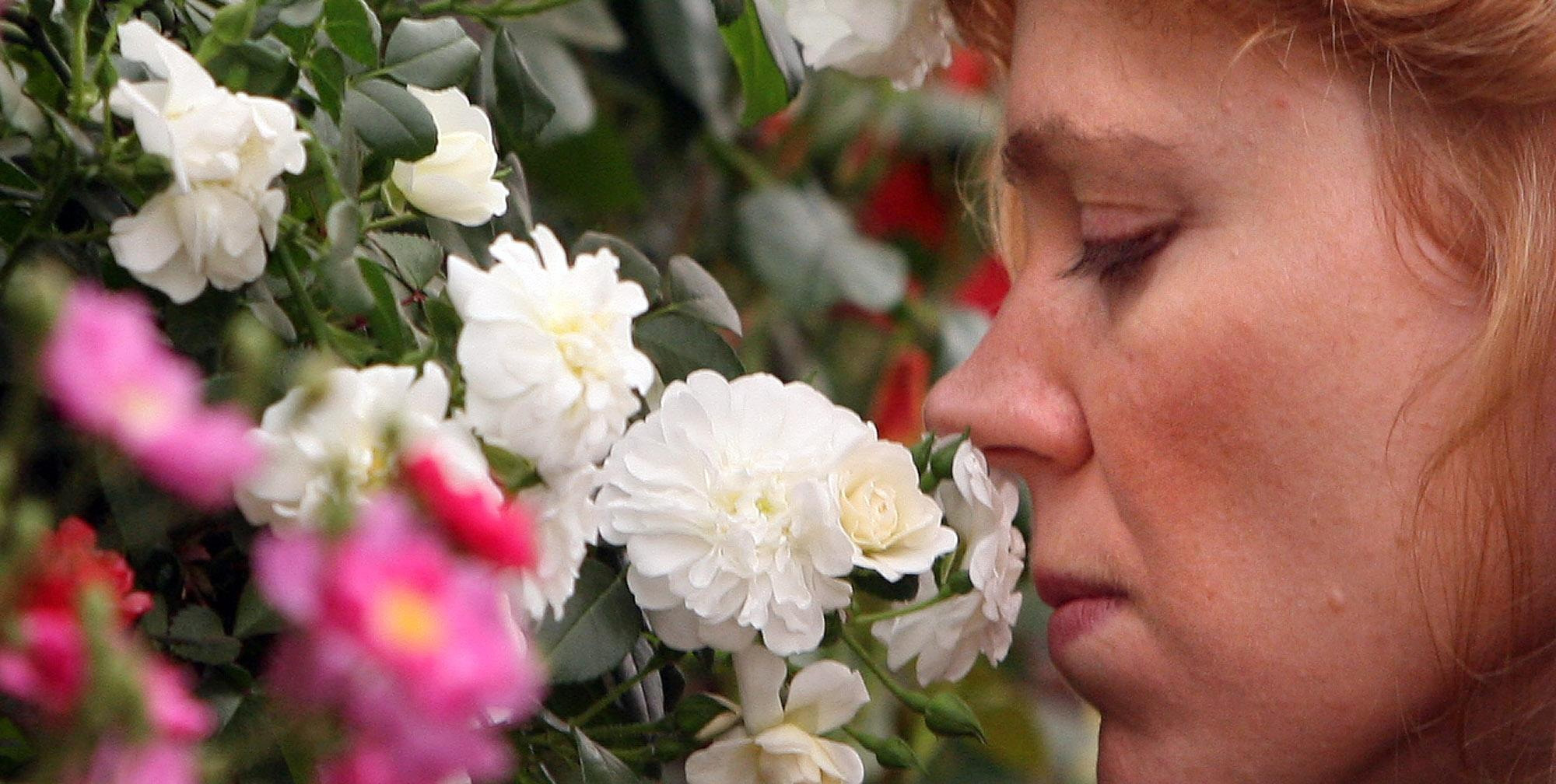
AbScent recommends “smell training”, which involves sniffing rose, lemon, clove and eucalyptus oils every day for around 20 seconds for those trying to regain their sense of smell.


CONNECT WITH US TODAY



Be the first to know the latest news and updates