Increased warming closing in on agreed limit, says UN report
The world is getting closer to passing a temperature limit set by global leaders five years ago and may exceed it in the next decade, according to a United Nations report.
In the next five years, the world has nearly a one-in-four chance of experiencing a year that is hot enough to put the global temperature at 1.5C above pre-industrial times, according to a new science update released by the UN, World Meteorological Organisation and other global science groups.
That 1.5C is the more stringent of two limits set in 2015 by world leaders in the Paris climate change agreement. A 2018 UN science report said a world hotter than that still survives, but chances of dangerous problems increase tremendously.
Earlier this year, Death Valley in California hit 54.4C (130F) and Siberia hit 38C (100F).
The world has already warmed nearly 1.1C since the late 1800s, and the last five years are hotter than the previous five years, the report said. The speed-up could be temporary, or it might not be. There is both man-made warming and natural warming from a strong El Nino weather pattern in the past five years, said World Meteorological Organisation secretary-general Petteri Taalas.
Mr Taalas told The Associated Press: âThe probability of 1.5C is growing year by year. Itâs very likely to happen in the next decade if we donât change our behaviour.â
That is potentially faster than what a 2018 UN report, that said the world was likely to hit 1.5C between 2030 and 2052, found.
Breakthrough Institute climate scientist Zeke Hausfather, who was not part of the new report, said the document was a good update of what scientists already know. It is âabundantly clear that rapid climate change is continuing and the world is far from on trackâ towards meeting the Paris climate goals, he said.
Some countries, including the US and many in Europe, are reducing emissions of heat-trapping carbon dioxide, but Mr Taalas said the world is on a path that will be 3C warmer compared with the late 19th century. That would be above the Paris accordâs less stringent 2C target.
The latest report was the UNâs annual update on âclimate disruptionâ caused by the burning of coal, oil and gas. It highlighted more than just increasing temperatures and rising sea levels.
âRecord heat, ice loss, wildfires, floods and droughts continue to worsen, affecting communities, nations and economies around the world,â United Nations secretary-general Antonio Guterres wrote in a foreword.
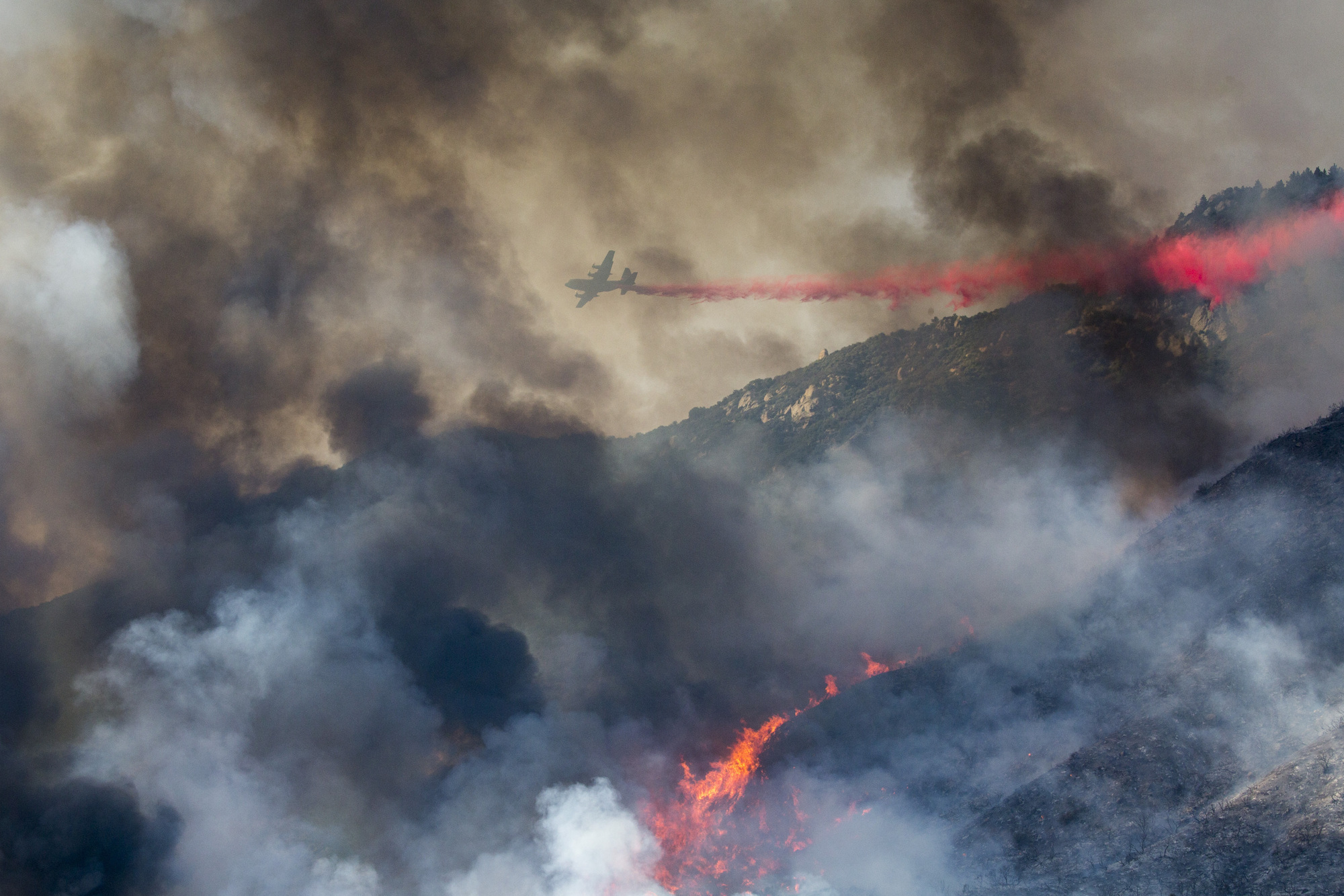
The report highlights unprecedented wildfires in the Amazon, the Arctic and Australia. California is fighting record wildfires as the report was issued.
âDrought and heat waves substantially increased the risk of wildfires,â the report said. âThe three largest economic losses on record from wildfires have all occurred in the last four years.â
Carbon dioxide emissions will be down 4% to 7% this year because of reduced travel and industrial activities during the coronavirus pandemic, but the heat-trapping gas stays in the air for a century so the levels in the atmosphere continue to go up, Mr Taalas said.
So far, this year is the second hottest on record and has a 37% chance of surpassing the global record set in 2016, according to the US National Oceanic and Atmospheric Administration.