Lebanon questions security chief as 'whole government' quits over Beirut explosion
A Lebanese judge has started questioning the heads of the country’s security agencies over last week’s devastating explosion in Beirut.
Judge Ghassan El Khoury began questioning Major General Tony Saliba, the head of State Security, according to the state-run National News Agency. It gave no further details, but other generals are scheduled to be questioned.
It comes as Lebanon’s health minister has said the country’s “whole government” has resigned in the wake of the deadly explosion in Beirut last week.
Meanwhile, justice minister Marie-Claude Najm, who was sprayed with water and verbally attacked last week while visiting a damaged area, has handed her resignation to the prime minister, the news agency said. She is the third cabinet minister to resign over the blast.

A cabinet meeting is scheduled for Monday, amid speculation the government could resign en masse. If a total of seven out of the 20 ministers resign, the cabinet would effectively become a caretaker government. At least nine MPs have resigned.
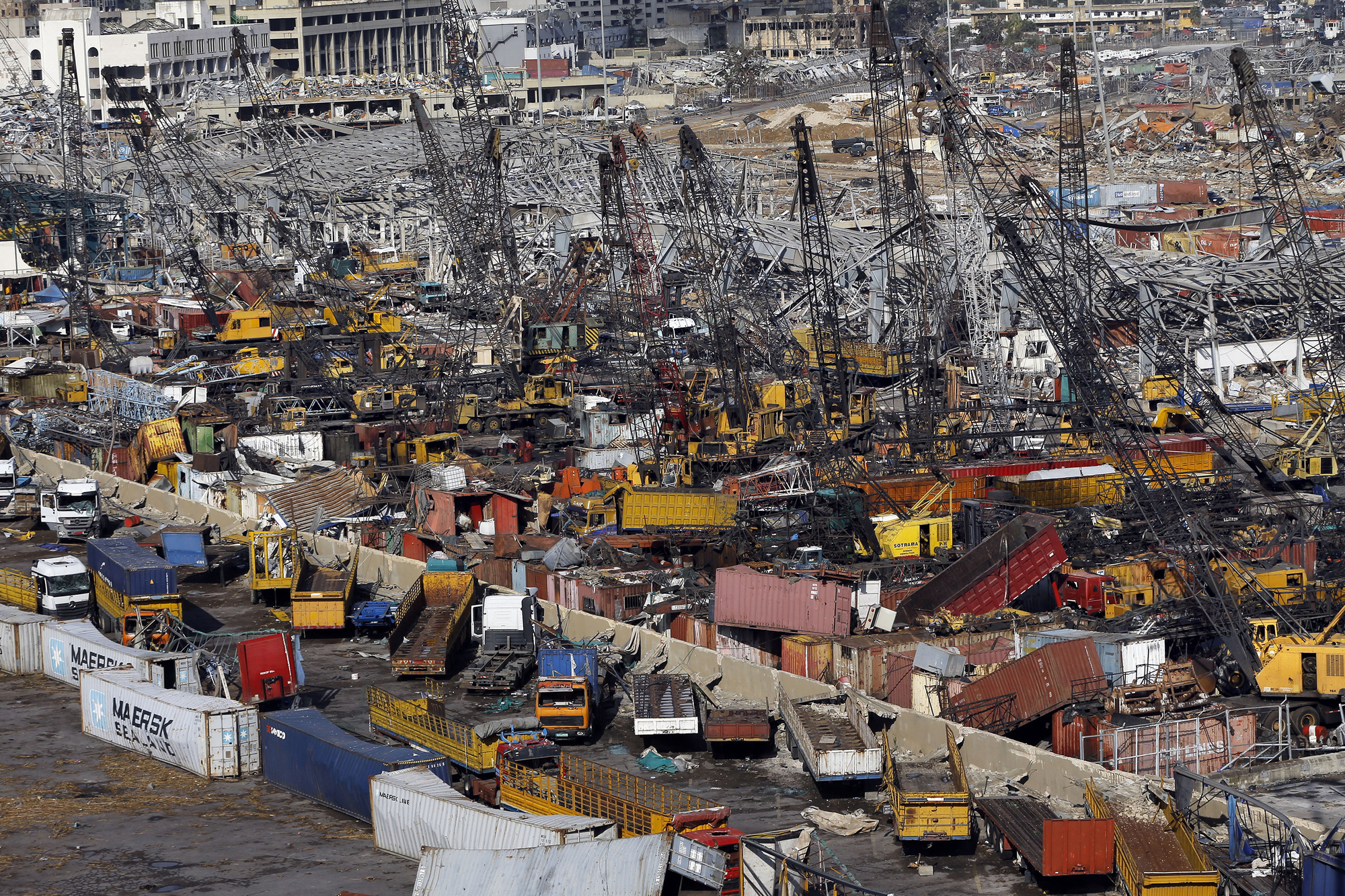
The August 4 blast killed 160 people and wounded around 6,000, in addition to destroying the country’s main port and damaging large parts of the capital. Losses from the blast are estimated to be between £8 billion to £12 billion, and nearly 300,000 people were left homeless in the immediate aftermath.
The explosion is believed to have been caused by a fire that ignited a stockpile of explosive material that had been stored at the port since 2013. The disaster has been widely blamed on years of corruption and neglect by the entrenched political leadership that has governed Lebanon since its 1975-1990 civil war.
About 20 people have been detained over the blast, including the head of Lebanon’s customs department and his predecessor, as well as the head of the port. Dozens of people have been questioned, including two former cabinet ministers, according to government officials.

The investigation is focused on how 2,750 tons of ammonium nitrate, a highly explosive chemical used in fertilisers, came to be stored at a warehouse in Beirut’s port for six years, and why nothing was done about it.
State Security had compiled a report about the dangers of storing the material at the port and sent a copy to the offices of the president and prime minister on July 20.
On Sunday, world leaders and international organisations pledged nearly £230 million in emergency humanitarian aid to Beirut in the wake of the devastating explosion, but warned that no money for rebuilding the capital would be made available until Lebanese authorities commit themselves to the political and economic reforms demanded by the people.
Protesters have clashed with security forces over the past two days in Beirut. The demonstrators blame the explosion and a severe economic crisis on the ruling elite and are calling for sweeping political change. Similar demonstrations last autumn fizzled out after several weeks.


CONNECT WITH US TODAY



Be the first to know the latest news and updates