Grenfell contractor ‘took some savings for themselves’ on choice of cladding
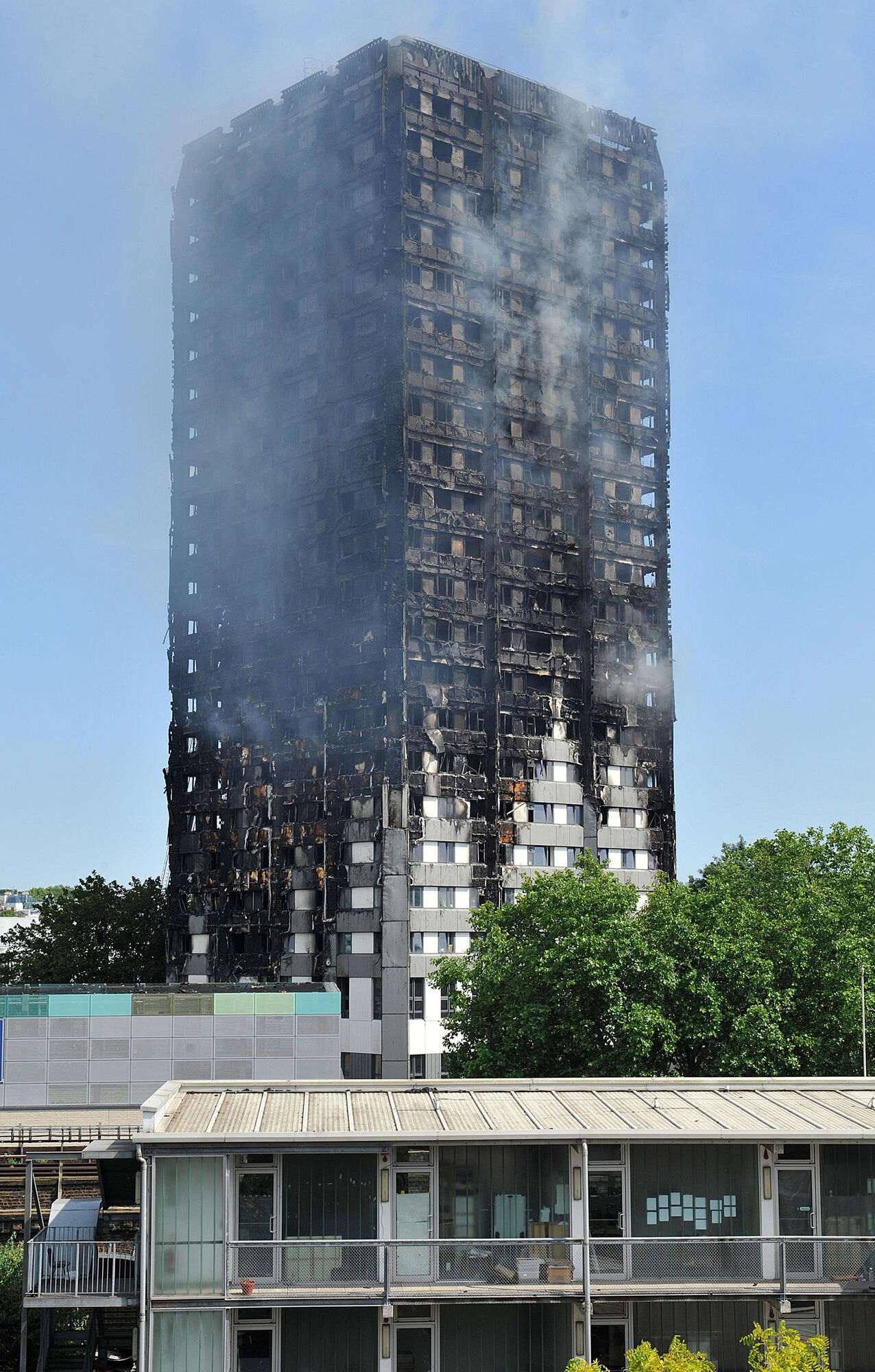
The inquiry into the 2017 Grenfell Tower blaze that killed 72 people heard that Rydon “came to the conclusion” that the project “didn’t need a fire consultant”. File photo

The main contractor on the refurbishment of Grenfell Tower in England presented altered figures and “took some of the savings for themselves” when it came to the choice of cladding, an inquiry in the UK has heard.

Rydon told Kensington and Chelsea tenant management organisation (TMO) in March 2014 that they could save £293,368 if they chose to wrap the west London tower block in an alternative aluminium cassette form of cladding, or £376,175 if they went for a face-fixed cladding.

However, four days earlier, they were told by cladding installers Harley Facades that the cassette installation could present a saving of £419,627 and the face-fixed a saving of £576,973.

When asked by inquiry lawyer Richard Millett QC how he accounted for the difference, Rydon contracts manager Simon Lawrence said: 

I would suggest, by that, Rydon took some of the savings for themselves.

When asked whether he knew that at the time, Mr Lawrence added: “I think I probably did, yes.” Mr Lawrence said he “would assume” that money “went against risk or additional profit”.

Earlier today, the inquiry into the 2017 blaze that killed 72 people heard that Rydon “came to the conclusion” that the project “didn’t need a fire consultant”.

They had considered recruiting a specialist to oversee plans for the lower four floors of the block, but eventually decided it was not necessary.

Mr Lawrence, who was involved in the revamp between June 2014 and October 2015, told the hearing: “The initial intention regarding fire consultants was for the lower four floors.

“The cladding, in our view, at the time was less of a risk than the lower four floors because of the means of escape.

“We thought that it might be a good idea to have a fire consultant for those lower four floors but, as the design progressed, we ultimately came to the conclusion we didn’t need that fire consultant for the lower four floors.”

More in this section

Cookie Policy Privacy Policy Brand Safety FAQ Help Contact Us Terms and Conditions

© Examiner Echo Group Limited