Firefighters delays 'not key' to treatment of Manchester attack victims, MPs told
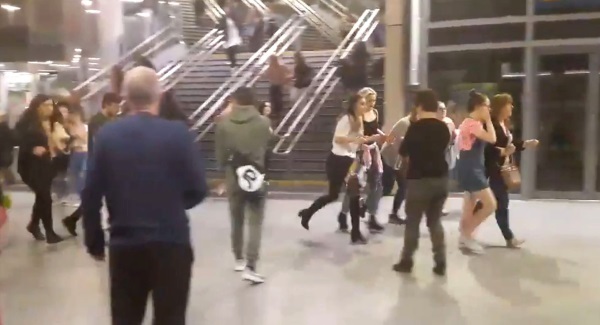
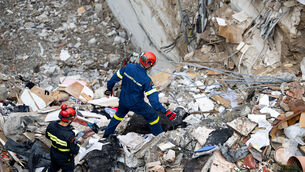
Delays faced by firefighters responding to the Manchester Arena terror attack were "not key" to whether or not people received treatment, a minister has said.
Ben Wallace praised the speed of the response from police, paramedics and ambulance crews while also acknowledging it was "regretful" that the fire service were not there quicker.
The Home Office minister's remarks came after the Government faced calls in the Commons to answer questions about the "serious failing" of the fire service on the night of the attack on May 22 2017.
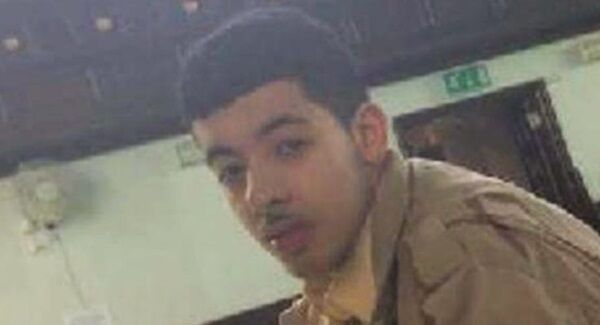
Suicide bomber Salman Abedi detonated his home-made device in the foyer of Manchester Arena as 14,000 people streamed out at the end of an Ariana Grande concert, killing 22 people and injuring scores more.
A report by Lord Bob Kerslake into the emergency response to the attack found poor communications between the police and fire service meant the "valuable" assistance of fire crews was delayed by two hours and six minutes after the bombing.
Dawn Docx, the interim chief fire officer of Greater Manchester Fire and Rescue Service, has since apologised while Mark Rowe, north-west secretary of the Fire Brigade Union, said firefighters felt "ashamed" that they could not help victims more quickly.
He told BBC Breakfast that crews were "waiting to be deployed" after the bombing, some of them so close that they had heard the explosion, but "the order never came down from the top".
Conservative frontbencher Mr Wallace, replying to questions, told the Commons: "Within one minute of that explosion, targeted amongst women and children, police, British Transport Police were there, PCSOs were there, paramedics were there and within 12 minutes ambulances were there on the scene.
It is, of course, regretful that the fire service was not there, but that was not key to whether or not people were getting the treatment they were being given.
"The other blue light emergency services did a fantastic job."
He went on: "The biggest point of this report and all terrorist actions is often we start with a point of not knowing what it is.
"All members of this House will remember the day on Westminster Bridge when we were locked in offices, shut off from one to the other, because we didn't know whether it was firearms, a bomb, another person in the House or not.
"That is the biggest challenge our blue light services face, is it a single explosion?
"And I'd reflect on this, if unfortunately we had broken with lots of protocols and there had been a second device, and there's lots of evidence of second devices and second attacks that these people do, I'd hate to have been standing here for another reason saying we exposed our emergency services to too much danger because we rushed in.
"It's a very difficult balance to make, I think they made that balance the right call on the night."
Lucy Powell, Labour MP for Manchester Central, earlier said there are "clear lessons" for Greater Manchester and the fire service, which are being acted upon and have all been accepted.
She said: "There are also questions for the Government, first the report makes clear that the national protocols in relation to the terrorist incident failed to recognise that every incident is different, flexibility and judgment is needed.
Indeed had those in charge on the night not broken protocol we would be facing more challenging questions, in part this explains the serious failing of the fire service.
Ms Powell also called for a fund to help future victims of such attacks.
Mr Wallace acknowledged that on the night "one or two individuals were too rigid to the definition" of how emergency services should respond to a terror attack.
Addressing the issue of a victims fund, Mr Wallace said the Government had put £1 million towards the We Love Manchester fund.
CONNECT WITH US TODAY



Be the first to know the latest news and updates