Key issues Theresa May needs to address in her Brexit speech
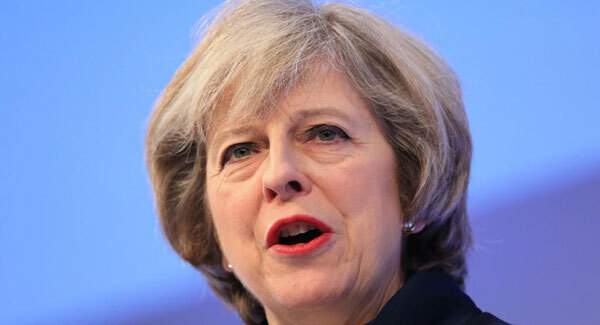
British Prime Minister Theresa May is set to pursue 12 negotiating priorities in Brexit talks with the European Union.
These are some of the issues on which British politicians, businesses and voters will be seeking more clarity:
Mrs May’s insistence on gaining full control of immigration appears to rule out the UK staying in the trade bloc, given EU leaders’ insistence that free movement of EU citizens is a condition of membership.
A desire to be free from European Court of Justice rulings also underlines the likelihood of the UK pulling out.

The British PM wants the "best possible deal in trade with and operating within" the single market but the scope of her ambition is unclear.
The PM’s oft-repeated aim of striking free trade deals with countries like the United States and New Zealand appears to rule out Britain staying in the tariff-free area.
But International Trade Secretary Liam Fox has suggested the UK could remain a partial member, potentially in certain sectors like car manufacturing, while Chancellor Philip Hammond remains unsure about the issue.
The EU’s lead Brexit official, Michel Barnier, has said the UK will need to reach a divorce deal within 18 months so that European leaders and the European Parliament have time to ratify it before the Article 50 exit process ends in spring 2019.

Britain’s Foreign Secretary Boris Johnson has said that would be "ample time" but it is unclear if Mrs May accepts Mr Barnier’s assessment.
Businesses are keen for a transition period to avoid "cliff-edge" changes when the UK leaves the EU, and Mrs May has acknowledged that an "implementation period" may be required.
Brexit Secretary David Davis and Mr Hammond have also set out their willingness to accept a buffer deal before new trading relationships kick in if necessary.
But the PM has insisted transition must not be a way of "putting off actually leaving the EU".
Downing Street has said there will be no "immediate" change to the open border between Northern Ireland and the Republic of Ireland, which is in the EU, but has not explicitly ruled out eventual changes.

Mr Davis has said the UK could keep paying money to Brussels after it leaves the EU in order to secure access to the single market.
A transition period could similarly see contributions to the EU budget.
Any post-Brexit payments to the EU are likely to provoke irritation among Eurosceptics in Ukip and on the Tory backbenches.
Mrs May has been under pressure to guarantee the rights of EU nationals already in the UK since the referendum vote - calls which were amplified following a spike in hate crime after June 23.
The PM has said she wants and expects to be able to do this but must receive similar assurances for Britons living in Europe.

Labour is worried that Brexit could mean a watering down of EU guaranteed protection for workers as the UK seeks to become more competitive in global trade, and will be looking for assurances that Britons’ rights will be maintained.