UN refugee aid agencies are 'financially broke'
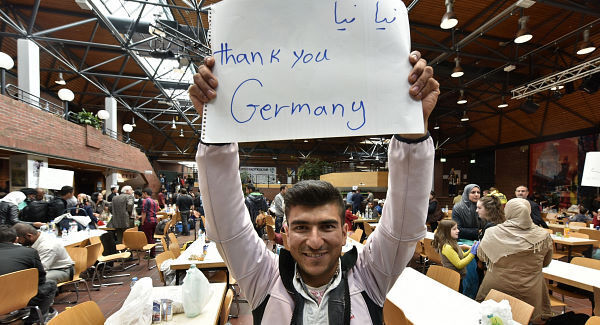
The United Nation’s humanitarian agencies are “financially broke” a senior figure has said, as the organisation attempts to provide aid for tens of thousands of people fleeing war.
Peoples’ basic needs are being failed, UN high commissioner for refugees Antonio Guterres said, as he called for member states within the EU to fund aid in the same way they do for UN peacekeeping operations.
Mr Guterres said the number of people displaced by conflict each day has risen by 31,000 in a four-year period, placing a greater strain on resources to provide refugees with the things they need.
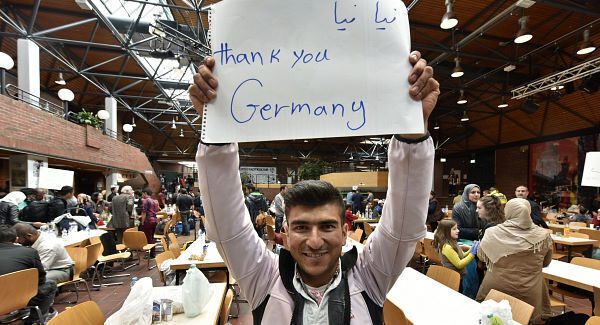
He told the Guardian: “If you look at those displaced by conflict per day, in 2010 it was 11,000; last year there were 42,000. This means a dramatic increase in need, from shelter to water and sanitation, food, medical assistance, education.
“The budgets cannot be compared with the growth in need. Our income in 2015 will be around 10% less than in 2014. The global humanitarian community is not broken – as a whole they are more effective than ever before. But we are financially broke.”
He said the crisis which has arisen out of Syria, where people are fleeing both President Assad’s regime and Islamic State forces, must be recognised as an emergency and the aid effort funded as by assessed rather than just voluntary contributions.
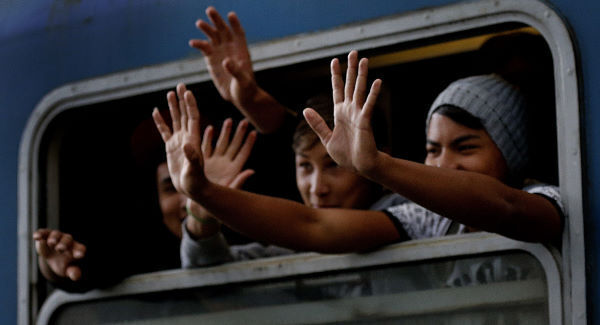
He added: “Not to spend more on humanitarian aid is a bad strategy, not to say a suicidal one.”
The scale of crises across the Middle East is also having a detrimental effect on healthcare, the World Health Organisation said.
Director for emergency risk management Dr Michelle Gayer told the paper an entire generation of children in Iraq will not be vaccinated after a funding shortfall led to the closure of almost 200 health clinics there.
Food shortages are prompting more refugees to make their way towards Europe, a spokeswoman for the World Food Programme said.
Dina El-Kassaby told the Guardian that people finding themselves in “desperate” situations are risking their lives to make often perilous crossings to Europe, and said men and boys who cannot provide for their families can be more vulnerable to recruitment by Islamic State.
CONNECT WITH US TODAY



Be the first to know the latest news and updates