Anger as 89 European politicians banned from Russia
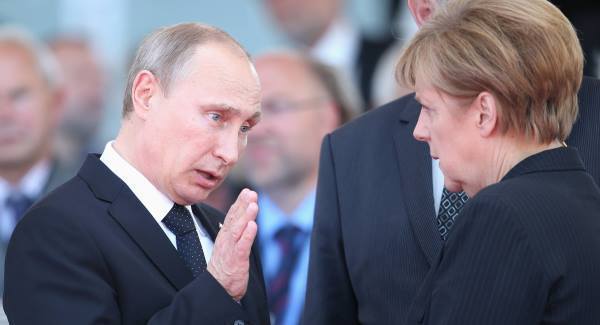
The EU has expressed anger after Russia imposed a travel ban on 89 European politicians and public figures.
The ban is seen as retaliation for European sanctions on Russia, and the EU described the move as "totally arbitrary and unjustified".
The list includes Britain's former deputy Prime Minister Nick Clegg, and the former minister of state for Northern Ireland Andrew Robathan.
The disclosure comes after a number of EU politicians had tried to travel to Russia in recent months only to be told at the border that they could not enter because they were on the list.
An EU spokesman said the list had now been handed over after repeated requests for details from the EU and the member states concerned.
“The list with 89 names has now been shared by the Russian authorities. We don’t have any other information on legal basis, criteria and process of this decision,” the spokesman said.
“We consider this measure as totally arbitrary and unjustified, especially in the absence of any further clarification and transparency. We are keeping in close contact with the member states involved.”
The UK's Foreign Office strongly condemned the Russian action saying there was “absolutely no justification” for the list which appears to have been drawn up in response to EU sanctions against Moscow.
The Foreign Office said that existence of the list would make no difference to EU sanctions imposed in response to Russia’s support for separatist rebels fighting government forces in eastern Ukraine.
“There is absolutely no justification for this list. And the Russian authorities have not provided any legal basis for the list or for the names on it,” a Foreign Office spokeswoman said.
“If Russia thinks this action will cause the EU to change its position on sanctions, it is wrong. The way for Russia to get the sanctions lifted is to remove its troops from Ukraine and comply with its obligations under the Minsk agreements.
“The EU and member states are urgently seeking more transparency from the Russian authorities for this move.”’
CONNECT WITH US TODAY



Be the first to know the latest news and updates