Brazil prepares for World Cup kickoff amid strikes and protest
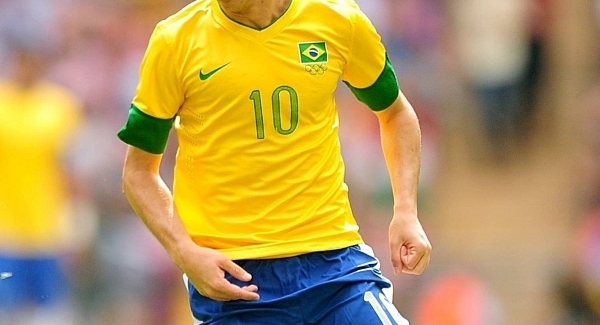
Brazil’s day has finally arrived as the World Cup kicks off.

Brazil prepares for World Cup kickoff amid strikes and protest

Brazil’s day has finally arrived as the World Cup kicks off.

It is the first time the South American nation has hosted the football tournament in 64 years.

Nearly half the world’s population, well over three billion spectators, are expected to watch the event and get a glimpse of the country that in two years will host the summer Olympics.

But as the event begins, it is not clear which Brazil will be seen – the nation known for its festive spirit or the country that for the past year has been a hotbed of fury over poor public services, discontent over a political system widely viewed as corrupt, and deep anger over the billions spent on hosting the World Cup.

“The world is going to see multitudes cheering for soccer – but also demanding that our country change,” Helen Santos, a school teacher, said as she walked home in Rio de Janeiro.

“The world needs to see that we’re a serious country. We’re not just a nation of soccer, but a country striving and demanding the government provide better education and health care. The world needs to see the reality of Brazil, not just the sport.”

Football takes the spotlight when play begins with Brazil and Croatia meeting in Sao Paulo. Brazilians are hungry to see their team deliver a record sixth World Cup crown to a nation desiring something to celebrate after enduring a year of gruelling protests and strikes.

There still is the chance for unrest.

Anti-World Cup protesters in Sao Paulo and at least five other major cities have called for demonstrations during the tournament.

Meanwhile, air travellers landing in Rio de Janeiro today will find a portion of airport workers striking for higher wages, but Sao Paulo averted a transportation mess when its subway workers voted against resuming their walkout on the World Cup’s opening day.

Street protests have lessened in size since last year when Brazilians staged raucous rallies against the government, overshadowing the Confederations Cup tournament.

Whether Brazilians have moved past such disruption is uncertain.

“I hope the soccer outshines the protests, but I also know there remains a climate of anger,” said Edson Carvalho, an office assistant in Rio. “What will the world see? I’m waiting to find out myself.”

In Rio, where fans are arriving ahead of a match on Sunday between Argentina and Bosnia-Herzegovina, check-in counter clerks, baggage handlers and janitorial staff who have been demanding raises of at least 5.6% for several months voted to strike from midnight.

The work stoppage will affect the city’s Galeao international airport as well as the Santos Dumont airport that connects Rio to other Brazilian destinations

A union representative said only 20% of workers would stay off the job for 24 hours, abiding by a labour court order that threatened to fine unions more than $22,000 if staffing fell below 80% of normal levels.

Teachers also remain on strike in Rio and routinely block streets with rallies, and subway workers in that city briefly threatened a walkout. Police in several cities have also gone on strike in recent weeks, but are back at work now.

x

More in this section

Cookie Policy Privacy Policy Brand Safety FAQ Help Contact Us Terms and Conditions

© Examiner Echo Group Limited