'Castaway' back home in El Salvador
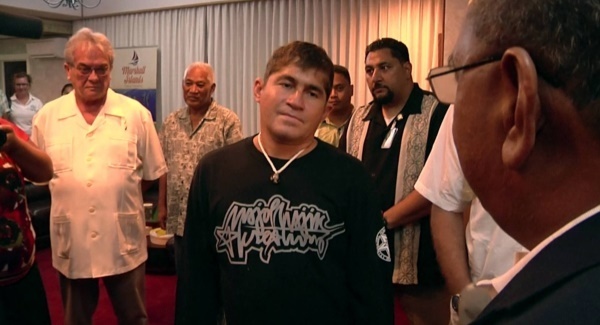
A fisherman who says he survived for more than a year on a small boat drifting across the Pacific Ocean has returned to the place where he learned to love the sea – bringing with him a fish tale for the ages.
Jose Salvador Alvarenga, 37, arrived in his native El Salvador to a media throng, a daughter who did not remember him, and a mother who thought he was dead.
Mr Alvarenga, wearing a dark blue T-shirt, khaki trousers and white tennis shoes, was taken in a wheelchair before a crush of more than 100 mostly foreign journalists, intending to speak.
But when foreign minister Jaime Miranda handed him the microphone, he held it in silence. Then he put his hands to his face and appeared to cry.
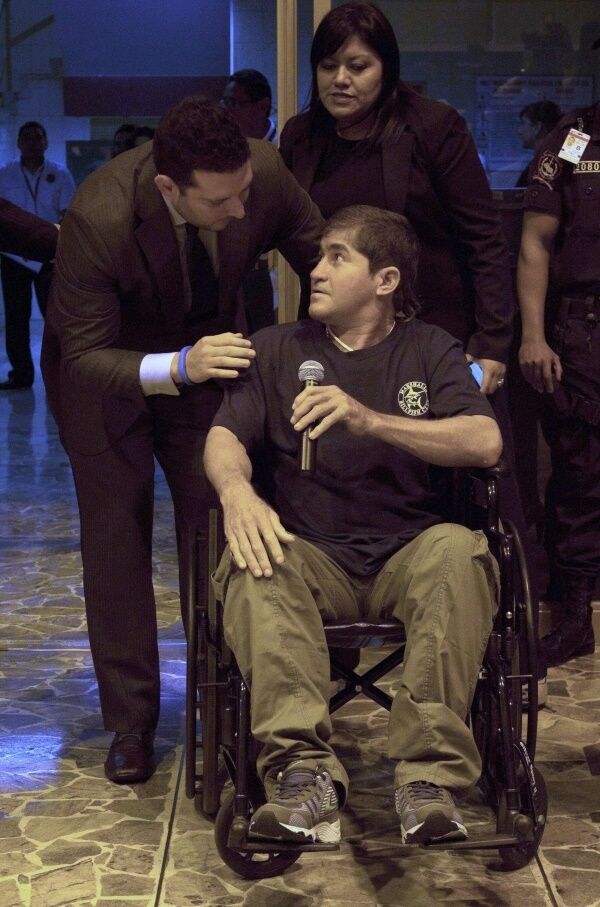
“We ask for your understanding. He’s had a very exhausting trip,” Mr Miranda told the crowd.
Mr Alvarenga was reportedly heading to a local hospital for tests before returning to his home village of Garita Palmera, where more family and journalists awaited.
His story stunned the world when he washed up on the Ebon atoll almost two weeks ago, appearing robust and barely sunburned after more than a year at sea drifting from Mexico to the Marshall Islands. But he had started out a much larger man, and turned out to be swollen and in pain from the ordeal, suffering from dehydration.
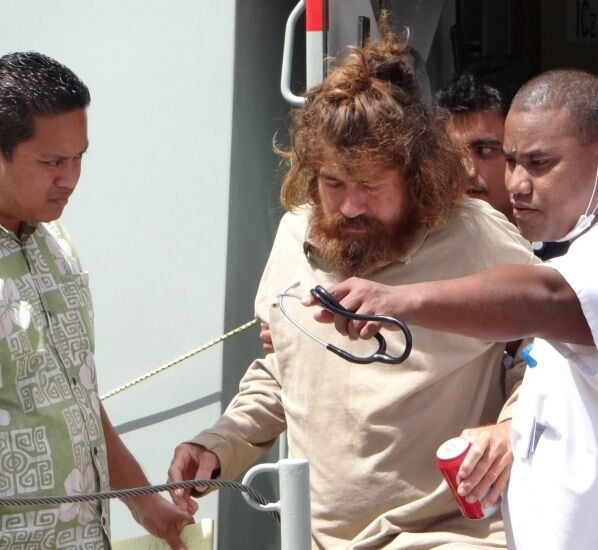
The journey back home after a week of rest and medical treatment in Majuro was marked by long stays in Honolulu and Los Angeles, where doctors checked his health and ability to continue the trip.
“I’m so happy to know he’s alive, that he returned. I want to give him a hug,” said Emma Alvarenga, an aunt who arrived at the airport to see him but was left outside the VIP lounge where he was taken.
His father, Jose Ricardo Orellana, 65, who owns a store and flour mill in the seaside Salvadoran town, said his son first went to sea at 14. “The sea was his thing,” he said.
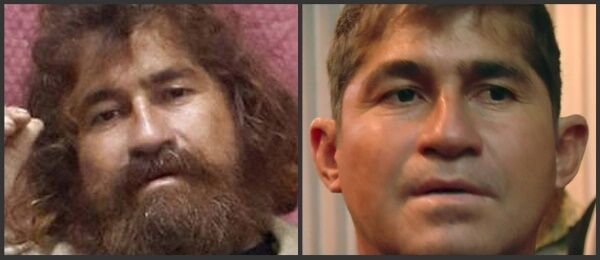
Maria Julia Alvarenga, 59, said her son always had unusual strength and resilience.
His 14-year-old daughter Fatima made an archway of palms for the front door of the family home and a sign saying “Welcome”. She didn’t remember ever seeing her father, who left El Salvador to fish in Mexico when she was just over a year old.
“I haven’t seen him for eight years. We’re friends, we fished together,” said Hector Antonio Zuniga, 39, who said he was dropping his nephew off at the airport and decided to wait and greet Alvarenga.
Mr Alvarenga’s incredible tale of drifting across 6,500 miles of open ocean, eating raw fish, turtles and drinking bird blood to survive initially left many sceptics. But experts said it would be humanly possible for him to survive.
Over several days, details emerged that seemed to corroborate the horrible journey.
Mr Alvarenga said he worked in a fishing village on the Pacific coast of Mexico’s southern Chiapas state, where he embarked. A man with his nickname “Cirilo” had been registered as missing with civil defence officials there. They said a small fishing boat carrying two men, the other named Ezequiel Cordoba, disappeared during bad weather on November 17 2012, and no trace of them or the craft was found during an intense two-week search.
Mr Cordoba died after about a month when he could not eat the raw fish and turtles, Mr Alvarenga said.
Photos from the Marshall Islands published by Britain’s Daily Telegraph newspaper showed the boat that Mr Alvarenga purportedly arrived in. It bore the hand-lettered name of a Chiapas fishing cooperative, Camaroneros de la Costa, for which Mr Alvarenga said he worked in Costa Azul, near Tonala.
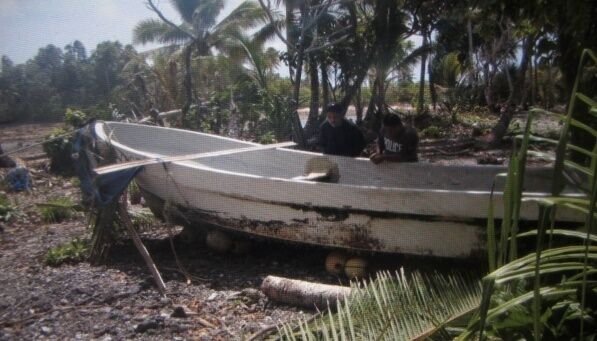
The photos also showed a large plastic cooler that Mr Alvarenga purportedly used to shelter himself from the sun and sea.
“The story of Jose is one of faith, but also of a fight to live,” the foreign minister said. “A story of solidarity and reunions.”
CONNECT WITH US TODAY



Be the first to know the latest news and updates










