World powers reach historic nuclear deal with Iran
Iran has struck a historic nuclear deal with the United States and five other world powers in the most significant development between Washington and Tehran in more than 30 years of hostility.
[comment] [/comment]
The agreement commits Iran to curb its nuclear activities in exchange for limited and gradual sanctions relief. It builds on the momentum of the dialogue opened during Septemberâs annual United Nations gathering, which included a 15-minute phone conversation between President Barack Obama and Iranâs new president, Hassan Rouhani.
It marks a milestone between the two countries, which broke diplomatic ties 34 years ago when Iranâs Islamic revolution climaxed in the storming of the US embassy in Tehran. Since then, relations between the two countries have been frigid to hostile â until the recent outreach between the two presidents.
Mr Obama hailed the deal as putting âsubstantial limitationsâ on a nuclear programme that the United States and its allies fear could be turned to nuclear weapons use.
âWhile todayâs announcement is just a first step, it achieves a great deal,â he said. âFor the first time in nearly a decade, we have halted the progress of the Iranian nuclear programme, and key parts of the programme will be rolled back.â
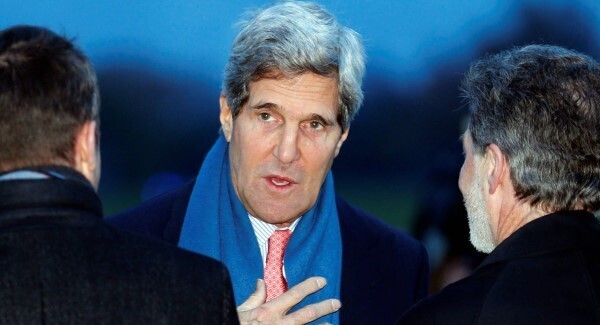
âAgreement in Geneva,â tweeted US secretary of state John Kerry, who flew to Geneva to join foreign ministers of the nations negotiating with Iran to push the deal through. âFirst step makes world safer. More work now.â
Agreement in Geneva: first step makes world safer. More work now. -JK #IranTalks
— Department of State (@StateDept) November 24, 2013
Mr Obama spoke shortly after the short-term deal with Iran that is aimed at making the way for a broader agreement to curb Tehranâs disputed nuclear programme. Under the terms of the deal, Iran agreed to halt progress on key elements of its programme in exchange for modest relief from US economic sanctions.
Mr Obama pledged to hold off from imposing new sanctions during the terms of the six-month agreement, a position likely to anger some in the US Congress who have been pushing for even tougher penalties against Iran.
âIf Iran does not fully meet its commitments during this six-month phase, we will turn off the relief and ratchet up the pressure,â he said.
The president came into office promising to talk to Iran without pre-conditions. The June election of Iranian president Hassan Rouhani, a more moderate-sounding cleric, helped pave the way for a thaw in diplomatic relations with the US, a historic phone call between the two presidents and this latest round of nuclear negotiations.

[comment] [/comment]
President Rouhani said the nuclear deal reached with world powers recognises Tehran's ``rights'' to maintain an atomic programme.
Mr Rouhani repeated Iranâs claim that it would âneverâ seek atomic weapons.
His reference to ânuclear rightsâ in a nationally broadcast speech touches on the countryâs demand to keep its uranium enrichment programme.
Mr Obamaâs outreach to Iran has worried Israel and Persian Gulf nations, which fear Iran is using the negotiations as a delay tactic while it continues to pursue a nuclear weapon.
The president said those nations âhave good reason to be sceptical of Iranâs intentions.â But he said âonly diplomacy can bring about a durable solution to the challenge posed by Iranâs nuclear programmeâ.
Mr Kerry said the first-step deal would make Israel â an arch enemy of Iran - safer, in an attempt to pacify the Jewish stateâs vehement opposition to the deal.
Israeli prime minister Benjamin Netanyahu has loudly criticised the agreement, saying the international community is giving up too much to Iran, which it believes will retain the ability to produce a nuclear weapon and threaten Israel.

[comment] [/comment]
Mr Netanyahu later criticised the international community's nuclear deal with Iran as a ``historic mistake''.
Speaking to his Cabinet, he said that Israel is not bound by the deal and reserves the right to defend itself. That is a reference to possible military action against Iran.
Mr Netanyahu said the deal would not adequately stop Iran while also giving it relief from sanctions.
âToday the world became a much more dangerous place because the most dangerous regime in the world made a significant step in obtaining the most dangerous weapons in the world,â he said.
A White House statement called the nuclear agreement an âinitial, six-month stepâ.
Specifically, the statement said the deal limits Iranâs existing stockpiles of enriched uranium, which can be turned into the fissile core of nuclear arms.
The statement also said the accord curbs the number and capabilities of the centrifuges used to enrich and limits Iran ability to âproduce weapons-grade uraniumâ from a reactor in the advanced stages of construction. Iranâs nuclear programme will be subject to âincreased transparency and intrusive monitoringâ.
âTaken together, these first step measures will help prevent Iran from using the cover of negotiations to continue advancing its nuclear programme as we seek to negotiate a long-term, comprehensive solution that addresses all of the international communityâs concerns,â said the statement.
In return, âlimited, temporary, targeted, and reversible (sanctions) reliefâ is promised to Iran, noting that âthe key oil, banking, and financial sanctions architecture, remains in placeâ.
It said any limited sanctions relief would be revoked and new penalties enacted if Iran fails to meet its commitments.