US default looms as shutdown continues
A possible US national default is looming closer as the partial federal government shutdown continued, rattling markets in the US and overseas.
Stocks got a case of the jitters on Wall Street, and a gridlocked Congress showed little or no urgency toward resolving either of the threats.
China stressed the importance for the international economy of raising the US debt limit.
“Safeguarding the debt is of vital importance to the economy of the US and the world,” China’s vice finance minister Zhu Guangyao said, according to the official Xinhua News Agency.
The shutdown centres on a fight over funding for president Barack Obama’s new health care law. Economists say the default that could follow might trigger a financial crisis and recession that would echo the 2008 financial crisis, which plunged the country into the worst recession since the Great Depression of the 1930s.
Mr Obama said the House should vote immediately on ending the partial closure of the federal establishment. He accused Republican House speaker John Boehner of refusing to permit the necessary legislation to come to the floor because he “doesn’t apparently want to see the ... shutdown end at the moment, unless he’s able to extract concessions that don’t have anything to do with the budget”.
Mr Boehner called on the president to agree to negotiations on changes in the nation’s health care overhaul and steps to curb deficits, the principal Republican demands for ending the shutdown and eliminating the threat of default.
“It’s time to have that conversation before our economy is put further at risk,” he said on the House floor.
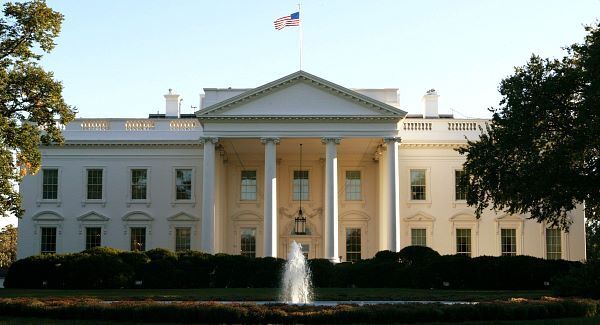
Mr Obama said he would talk with the Republicans on those topics or virtually any others, but the White House has said repeatedly the president will not negotiate until the government is fully reopened and the debt limit has been raised to stave off the nation’s first-ever default.
Meanwhile, the shutdown began to ease over the weekend, when about 350,000 civilian defence workers were recalled as the result of legislation Congress passed and Mr Obama signed after the shutdown began.
That left an estimated 450,000 federal employees idle at agencies responsible for domestic programmes, ranging from the departments of education and energy, to labour, health and human services, interior, transportation and more.
The shutdown has been felt unevenly because of complex rules and the ability of senior officials to declare some projects essential and allowed to remain open.
Some routine food checks the Department of Agriculture were suspended, but meat inspections continued uninterrupted. Much of the nation’s space agency was shuttered, although work continued on plans to launch a robotic probe to Mars, which has a biennial launch window.
Senior defence officials said that despite the recall of most civilians, and the resumption of many activities across the Defence Department, there are critical programmes and benefits that remain halted, according to a Pentagon report on their meeting with defence secretary Chuck Hagel.
The standoff is the latest in a string of clashes over the past three years between Mr Obama and a House Republican majority that has steered to the right with the rise of the conservative, anti-tax tea party.
CONNECT WITH US TODAY



Be the first to know the latest news and updates