Obama cancels visit to Asia amid government shutdown
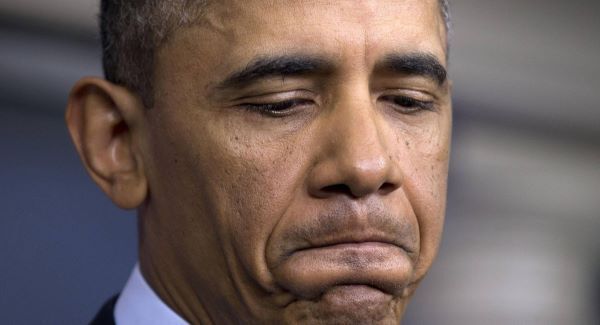
President Barack Obama is cancelling a trip to Asia next week because of the US government shutdown.
Mr Obama had already shortened the trip from four countries to two.
The White House announced earlier in the week that the president would be unable to visit Malaysia and the Philippines because the partial shutdown of the federal government was impacting personnel needed to set up the stops.
The White House had held out hope that the president could attend to economic summits in Indonesia and Brunei.
But it announced late yesterday that Mr Obama decided to skip the entire trip to stay in Washington DC to continue pressing for a budget bill that would reopen the government.
Mr Obama had been due to depart the US late on Saturday night.
Democrats and Republicans have remained no closer to resolving a budget feud that has shut down much of the US government as Washington and international officials raised the alarm over an even more critical upcoming showdown over the nationâs line of credit.
The shutdown, now in its third day, has clearly been leaving its mark. The National Transportation Safety Board was not sending investigators to Tennessee to probe a deadly church bus crash that killed eight people and sent 14 others to the hospital. Meanwhile the Labour Department said it would not release the highly anticipated September jobs report today because the government remains shuttered.
Tensions rose further after shots rang out outside the Capitol building causing security to lockdown Congress, a nerve-wracking moment in a city still recovering from a September 16 mass shooting at the Navy Yard. Authorities and witnesses said a woman tried to ram her car through a White House barricade then led police on a chase that ended in gunfire outside the Capitol more than a mile (1.6km) away.
Officials also warned, the dispute could grow to encompass legislation needed by mid-October to raise the debt limit.
That has raised fears of a worst-possible outcome. If Congress fails to raise the borrowing cap, the US could default on its obligations for the first time and send shockwaves across the world.
International Monetary Fund chief Christine Lagarde warned the US not to allow the standoff to get that far.
âThe government shutdown is bad enough, but failure to raise the debt ceiling would be far worse, and could very seriously damage not only the US economy, but the entire global economy,â Ms Lagarde said in a speech.
âSo it is âmission-criticalâ that this be resolved as soon as possible,â she added.
The US Treasury warned that failure to raise that debt ceiling could spark a new recession even worse than the one Americans are still recovering from.
President Barack Obama laid the blame at the feet of the Republican leader of the House of Representatives. He cast Speaker John Boehner as a captive of a small band of conservative activists who want to extract concessions in exchange for passing the short term spending bill that would restart the government.
âThe only thing preventing people from going back to work and basic research starting back up and farmers and small business owners getting their loans, the only thing that is preventing all that from happening right now, today, in the next five minutes is that Speaker John Boehner wonât even let the bill get a yes or no vote because he doesnât want to anger the extremists in his party,â Mr Obama said.
Mr Boehner swiftly shot back, criticising Mr Obama and his âmy-way-or-the-highway approachâ. Mr Boehner said that if the president would negotiate to fix flaws in Obamacare, the shutdown could end.
âThe presidentâs insistence on steamrolling ahead with this flawed programme is irresponsible,â he said.
The exchange came a day after a White House meeting between the president and congressional leaders yielded no progress.
At issue is the sweeping overhaul of the US health care system that is the centrepiece of Mr Obamaâs domestic policy agenda. The three-year-old law is designed to extend insurance to millions of Americans without coverage. Republicans, led by a core of conservatives aligned with the small-government tea party movement, argue the plan is costing jobs and intruding on private decision-making by requiring Americans to have health insurance.
The shutdown is keeping hundreds of thousands of federal workers home and affecting Americans in ways large and small. Scores of government programmes, from feeding pregnant women to staffing call centres at the federal tax agency, were disrupted. Mr Obama also truncated a long-planned trip to Asia.
The shutdown itself is estimated to trim only about 0.2% of the US gross domestic product each week, but that could grow worse if the impasse begins to erode consumer and business confidence.
The US stock market sank to its lowest level in a month yesterday, while indexes in Germany and France also fell.