Radioactive water leak at Fukushima
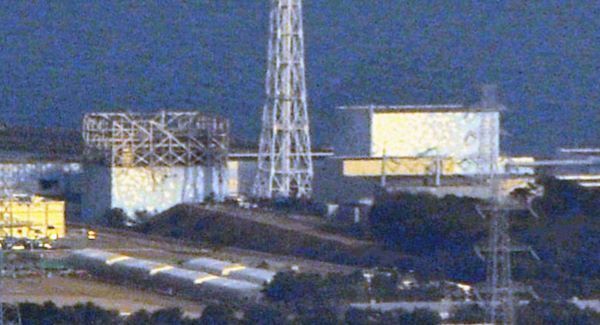
The Japanese nuclear watchdog said it is taking the leakage of highly radioactive water at the crippled Fukushima nuclear power plant seriously.
It proposed raising the rating to describe it from “an anomaly” to a “serious incident”.
The operator of the plant said about 300 tons of contaminated water has leaked from one of hundreds of steel tanks around the wrecked Fukushima Dai-ichi plant.
Tokyo Electric Power (TEPCO) has not discovered how or where the water leaked, but suspects it did so through a seam on the tank or a valve connected to a gutter around the tank.
The watchdog, the Nuclear Regulation Authority, proposed at a meeting today to raise the rating of the leak to level 3 from an earlier level 1 on an International Nuclear and Radiological event scale of eight.
The watchdog, however, plans to consult the UN nuclear regulatory agency, over whether it is appropriate to use the INES evaluation scale on the badly wrecked Fukushima plant.
TEPCO said that because the tank is about 330ft from the coastline, the leak does not pose an immediate threat to the sea. But Hideka Morimoto, a watchdog spokesman, said water could reach the sea via a drain gutter.
Four other tanks of the same design have had similar leaks since last year. The incidents have shaken confidence in the reliability of hundreds of tanks that are crucial for storing what has been a continuous flow of contaminated water.
“We are extremely concerned,” Mr Morimoto told reporters. He urged TEPCO quickly to determine the cause of the leak and its possible effect on water management plans.
TEPCO spokesman Masayuki Ono said the leaked water seeped into the ground after largely escaping piles of sandbags added to a concrete barrier around the tank.
Workers were pumping out the puddle and the remaining water in the tank and will transfer it to other containers, in a desperate effort to prevent it from escaping into the sea ahead of heavy rain predicted later in the day around Fukushima.
The water’s radiation level, measured about 2ft above the puddle, was about 100 millisieverts per hour – the maximum cumulative exposure allowed for plant workers over five years, Mr Ono said.
The plant suffered multiple meltdowns following a massive earthquake and tsunami in March 2011 – a level 7 “major accident” on the INES rating and the worst since Chernobyl in 1986.
Hundreds of tanks were built around the plant to store massive amounts of contaminated water coming from the three melted reactors, as well as underground water running into reactor and turbine basements.
However, contaminated water that TEPCO has been unable to contain continues to enter the Pacific Ocean at a rate of hundreds of tons per day. Much of that is ground water that has mixed with untreated radioactive water at the plant.
The water that leaked from the tank had been partially treated, with cesium and salt removed, before being stored.
Mr Ono said the latest leak was by far the worst from a steel storage tank in terms of volume.
TEPCO says the tanks that have leaked use rubber seams that were intended to last about five years.
Mr Ono said TEPCO plans to build additional tanks with welded seams that are more watertight, but will still have to rely on ones with rubber seams.
The massive amount of radioactive water is among the most pressing issues affecting the clean-up process, which is expected to take decades.

CONNECT WITH US TODAY



Be the first to know the latest news and updates