Witnesses heard screaming before gunshots, Pistorius indictment hears
Witnesses heard a woman screaming before gunshots fired by Oscar Pistorius killed his girlfriend, new evidence from prosecutors has revealed as he was formally sent for trial charged with murder.
The version of events outlined in the 11-page prosecution indictment of the double amputee Olympian directly contradicts his version of events leading up to the death of Reeva Steenkamp on Valentine’s Day this year.
Pistorius has said he thought Ms Steenkamp was in bed and he shouted at her to call the police, believing there was a dangerous intruder in his bathroom, and that he did not know she was in the toilet cubicle when he fired through its door four times. He has not said that she screamed.
The prosecution will attempt to show the couple argued before she was killed as part of its case that Pistorius intended to kill her. “Some of the state witnesses heard a woman scream, followed by moments of silence, then heard gunshots and then more screaming,” the indictment says.
Pistorius, who was in court for the indictment and wept before proceedings began, also will face a charge of illegal possession of ammunition when he goes on trial on March 3 in the South African capital, Pretoria.
Possibly covering their all angles, prosecutors also said in the indictment papers that Pistorius shot “with the intention to kill a person,” and even if the trial judge believes that Pistorius did not know it was Ms Steenkamp when he fired, they said he was still guilty of murder.
Prosecutors submitted a list of 107 witnesses, including Pistorius’ uncle Arnold, sister Aimee and brother Carl, as well as neighbours in the same gated community where Ms Steenkamp was killed.
If convicted of premeditated murder, Pistorius could face a life sentence with a minimum of 25 years in prison before parole. There is no death penalty in South Africa. A conviction of murder without premeditation can bring up to a 15-year prison sentence.
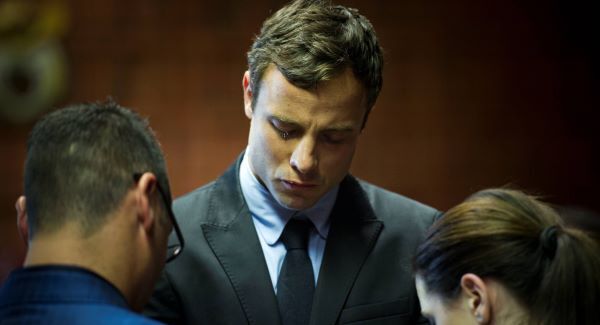
Pistorius, 26, appeared in court for the indictment, crying and holding hands with relatives before proceedings started. Wearing a dark suit, the athlete wiped away tears with a tissue and sat in the dock with his head bowed.
Pistorius also stood and spoke twice, first responding to the magistrate’s question on whether he was OK by saying: “Under the circumstances, ja (yes).” He also was asked if he understood the indictment and he said he did.
The case will be sent to the North Gauteng High Court in Pretoria, where a judge will ultimately pronounce the athlete innocent or guilty. South Africa does not have trial by jury.
Although the word “premeditated” was not contained in the indictment, prosecutors said afterwards that it was a case of premeditated murder.
“When you talk of intentional, it’s premeditated. Intentional. He wanted to do that,” prosecution spokesman Medupe Simasiku said. “In as far as a sound case, let the court decide on that. We believe it will go through in our favor.”
Prosecutors said the second charge of possession of illegal ammunition relates to a lack of proper licensing for .38 calibre bullets found at Pistorius’ home. Pistorius shot Ms Steenkamp with his licensed 9mm handgun.
This month, the office of South Africa’s police commissioner said detectives, forensic experts, ballistics experts, psychologists and other professionals are confident they have the evidence to convict Pistorius.
The most telling evidence – apart from the witness evidence – may be in records on cellphones found at Pistorius’ home and through examination of the toilet cubicle door through which Pistorius shot.
The angle or trajectory of the bullets could show if Pistorius was standing on his stumps when he shot, as he says, or if he was on his prosthetics, as the prosecution maintains – a marked difference in the two accounts along with the alleged fight between him and Ms Steenkamp.


CONNECT WITH US TODAY



Be the first to know the latest news and updates