Senate deal boost for gun checks
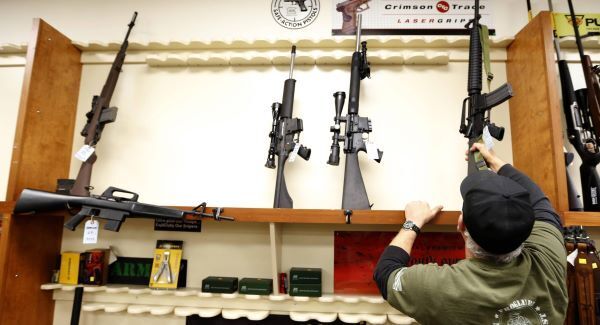
Conservative senators from both political parties are backing wider background checks for gun buyers, but it remains unclear if President Barack Obama can push significant weapon controls through the US Congress.
The agreement announced by Democratic senator Joe Manchin and Republican Pat Toomey – two of the most conservative members of each party – was expected to make it even likelier that the Senate’s initial vote today to begin debating gun laws would proceed, despite an effort to block consideration of the measure.
Subjecting more firearms purchases to government background checks has been the chief goal of Mr Obama and gun control supporters, who promote the system as a way to prevent criminals and other potentially dangerous people from getting weapons.
Senator Manchin cited the December massacre in Newtown, Connecticut, where 20 primary school pupils and six staff were murdered, propelling gun control to the top rank of national issues.
“Truly the events at Newtown changed us all,” he said. “Americans on both sides of the debate can and must find common ground.”
Despite the progress on a gun control bill, two major provisions in Mr Obama’s original gun control package – a ban on sales of military-style assault weapons and a limit on the size of ammunition magazines – are not even being discussed any more since they have no hope of being passed.
Yesterday’s deal would expand the background checks to cover all commercial sales, such as on the internet and at shows, closing the so-called gun show loophole. Private transactions that are not for profit, such as those between relatives, would be exempt. Currently, the system only covers sales through licensed gun dealers.
Mr Obama said in a written statement he wished parts of the bill were stronger, but that it represented significant progress and if enacted, would make it harder for dangerous people to obtain guns.
“It recognises that there are good people on both sides of this issue and we don’t have to agree on everything to know that we’ve got to do something to stem the tide of gun violence,” he said.
Underscoring the difficulty proponents will have in passing the agreement, the National Rifle Association, America’s most powerful gun lobby, came out against the Manchin-Toomey accord.
The group, which has fought most of Mr Obama’s gun proposals and claims nearly five million members, said the focus should be on improving the US mental health system and combating sources of violence like gangs.
“Expanding background checks at gun shows will not prevent the next shooting, will not solve violent crime and will not keep our kids safe in schools,” the organisation said.
In a letter to senators last night, NRA lobbyist Chris Cox warned that the organisation would include politicians’ votes on the deal and other amendments it opposes in the candidate ratings it sends to its members and supporters.
Conservative Republican senator Tom Coburn called the Manchin-Toomey effort a “good faith but unworkable plan” that “prioritises collecting records over protecting citizens”.
Any gun control measure would be a plus for Mr Obama as he tries in his second term to build a legacy. Other measures he is working on include an immigration bill and a budget deal that will keep the US from repeatedly lurching to financial crises.
Meanwhile, the Senate is ready for an opening vote on restricting guns as Democratic Senate majority leader Harry Reid set a roll call vote for today on starting consideration of the firearms legislation.
The background check deal makes it even likelier that Democrats will win enough Republican support to thwart an effort by conservatives and Senate Republican minority leader Mitch McConnell to block consideration from even starting.
The ultimate fate of gun legislation remains clouded by opposition from many Republicans and moderate Democrats in the Democratic led-Senate and Republican-run House of Representatives.
Many critics say the proposal would violate the US constitutional right to bear arms and burden law-abiding gun owners.
The agreement does contain provisions expanding firearms rights, and that worries gun control supporters. Some restrictions on transporting guns across state lines would be eased, sellers would be shielded from lawsuits if the buyer passed a check but later used a firearm in a crime and gun dealers could conduct business in states where they do not live.