Confusion as NY sugary drinks ban is overturned at last minute
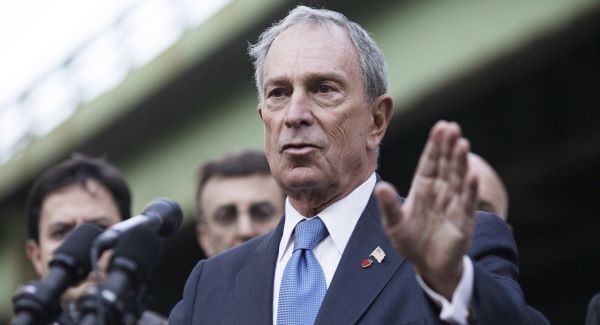
A judge’s last-minute overturning of New York’s pioneering ban on large size sugary drinks has handed a defeat to health-minded mayor Michael Bloomberg and created confusion for restaurants that had already ordered smaller cups and changed their menus.
State Supreme Court Justice Milton Tingling said that the limit (around four-fifths of an imperial pint) on pop and other sweet drinks arbitrarily applies to only some sugary beverages and some places that sell them.
“The loopholes in this rule effectively defeat the stated purpose of this rule,” Judge Tingling wrote in a 36-page ruling that examined the scope of power that should be afforded an administrative board for regulations. The ruling was seen as a victory for the beverage industry, restaurants and other business groups that called the rule unfair and wrong-headed.
In addition, the judge said the Bloomberg-appointed Board of Health intruded on the City Council’s authority when it imposed the rule, citing in part a case from the 1980s which questioned whether a state public health council had the authority to regulate smoking in public places.
Mr Bloomberg, who has championed the ban as a novel measure for fighting obesity, vowed to appeal against the decision.
“We believe the judge is totally in error in how he interpreted the law, and we are confident we will win on appeal,” he said. He added: “One of the cases we will make is that people are dying every day. This is not a joke. Five thousand people die of obesity every day in America.”
For now, though, the ruling it means the axe will not fall Tuesday on super-sized pop, sweetened teas and other high-sugar beverages in restaurants, movie theatres corner delis and sports arenas.
The drinks limit follows other efforts Mr Bloomberg has made to improve New Yorkers’ eating habits, from compelling chain restaurants to list calorie counts on their menus to barring artificial trans fats in restaurant food to prodding food manufacturers to use less salt. The city has successfully defended some of those initiatives in court.
The big drinks ban – the first of its kind in the U.S. – has sparked reaction from city streets to late-night talk shows, celebrated by some as a bold attempt to improve people’s health and derided by others as another “nanny state” law from Mr Bloomberg during his 11 years in office.
The city has also won fights over outlawing smoking in bars and offices, and has promoted breast-feeding over formula. Last week, the Bloomberg administration announced a campaign to warn young people they risk hearing loss from cranked-up earphones.
Because of the limits of city authority and exemptions made for other reasons, the ban on super-sized beverages does not cover alcoholic drinks or many lattes and other milk-based concoctions, and it does not apply at supermarkets or many convenience stores.
In defending the rule, city officials point to the city’s rising obesity rate - about 24 percent of adults, up from 18 percent in 2002 – and to studies tying sugary drinks to weight gain.
The judge acknowledged the impact of obesity on the city’s residents, and noted that those bringing suit likewise did not dispute obesity is a significant health issue, but questioned how much sugary drinks can be blamed for it. Ultimately the judge said whether the issue of obesity is an epidemic is not the key issue here, but whether the board of health has the jurisdiction to decide that obesity is such an issue that it could issue a cap on consumption of sugary drinks.
Critics said the measure is too limited to have a meaningful effect on New Yorkers’ waistlines. And they said it would take a bite out of business for the establishments that had to comply, while other places would still be free to sell sugary drinks in 2-litre bottles and super-sized cups.
“The court ruling provides a sigh of relief to New Yorkers and thousands of small businesses in New York City that would have been harmed by this arbitrary and unpopular ban,” the American Beverage Association and other opponents said, adding that the organization is open to other “solutions that will have a meaningful and lasting impact.”
Beverage makers had expected to spend about 600,000 changing bottles and labels, movie theatre owners feared losing soda sales that account for 10 percent of their profits, and delis and restaurants would have had to change inventory, reprint menus and make other adjustments, according to court papers.
CONNECT WITH US TODAY



Be the first to know the latest news and updates