Dutch election seen as austerity test
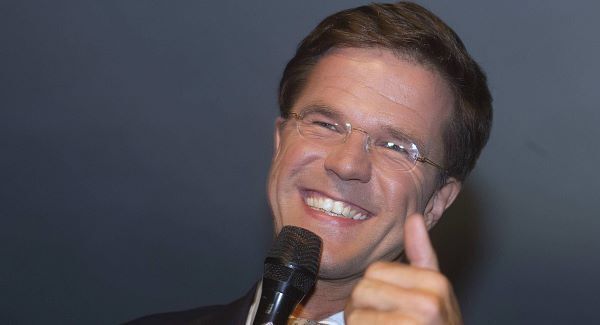
Dutch voters are going to the polls to elect a new parliament in a test of whether they have the stomach to continue with stringent austerity measures.
Many Dutch voters have begun questioning their role in the EU since the debt crisis erupted, feeling that their wealthy nation is paying too high a price to help bail out countries like Greece and Portugal.
The election has boiled down to a tight race between the free-market VVD party of Prime Minister Mark Rutte and the centre-left Labour Party led by Diederik Samsom, with other parties trailing.
The Dutch proportional representation system and splintered political landscape guarantee a coalition government and whichever party wins the most seats in the 150-seat Dutch House of
Representatives will take the lead in choosing the parties to make up the next ruling coalition.
Mr Rutte is a close ally of German Chancellor Angela Merkel and supports her austerity agenda for reining in the debt crisis. Mr Samsom is closer to French President Francois Hollande, who favours spending to spur economic growth.
He was the first of the leaders to vote, in the western city of Leiden where he lives.
Voters “have still only one day to make the Netherlands stronger and more socially responsible,” he said.
Mr Rutte says the Netherlands faces a fundamental choice: the left’s solution of spending on job-creation programmes while government debt rises, or the austerity approach he has pursued with Mrs Merkel – bringing down the budget deficit while investing in roads and education to stimulate the economy.
“France is a country of high deficits, high taxes, low growth and that wouldn’t be good for the Netherlands,” Mr Rutte said. “The Germans have the same philosophy as us – low debt and jobs.”
Mr Samsom argues that Mr Rutte’s approach to tackling the debt crisis has failed in the nation of 16.7 million, whose unemployment rate is one of Europe’s lowest but has been rising in recent months.
“It has become a left-right fight and it will be about a little bit more like the Merkel line or a little bit more like the Hollande line,” said Adriaan Schout of the Clingendael think tank.
Mr Rutte’s minority coalition collapsed in April after just 18 months in office when anti-Islam populist Geert Wilders withdrew his support following weeks of negotiations to hammer out an austerity package aimed at bringing the budget deficit back within European Union-mandated guidelines.
Mr Wilders offers voters the most radical choice on Europe – he campaigned on a pledge to pull the Netherlands out of the EU and ditch the euro currency if he wins power.
“It is an important day for Holland and a historical day whether we stay independent or if we become a province of the European super state,” he said as he cast his vote at a school on the outskirts of The Hague.
CONNECT WITH US TODAY



Be the first to know the latest news and updates










