Wave of car bombings rocks Iraq
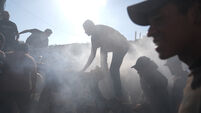
Co-ordinated car bombings targeting Shiite pilgrims in four Iraqi cities killed at least 56 people today in the latest wave of sectarian-fuelled violence, officials said.
The explosions tore into Shiite religious processions at four locations across Baghdad, in the third attack in the capital this week targeting an annual pilgrimage.
The first bomb struck pilgrims in a procession at around 5am in the northern neighbourhood of Taji, killing seven people and wounding 22.
Within hours, three more explosions hit other processions in different parts of the Iraqi capital, killing at least 19 people and wounding more than 50, police said.
In the city of Hillah, 60 miles south of Baghdad, two car bombs exploded minutes apart at dawn in the centre of town, killing 21 people and wounding 53, according to police and health workers.
In the southern city of Karbala, 55 miles south of Baghdad, a parked car exploded at about 8am near another group of Shiite pilgrims, killing two people and injuring 22, officials said.
Fifty miles north of Baghdad, in the Shiite town of Balad, two simultaneous car bombs killed seven pilgrims and injured 34 others, a police official and health spokesman said.
The bombs went off as the pilgrims started to make their way to Baghdad for the commemorations marking the death of al-Kadhim, one of the 12 principal Shiite saints, who is said to be buried in a shrine there.
The attacks were launched against the backdrop of a prolonged sectarian-based political crisis that some fear is opening the door to renewed violence.
Last year’s pilgrimage to the al-Kadhim shrine passed without incident, and Iraqi security officials at the time hailed their troops’ work as a huge success.
However, Shiite pilgrims have been frequent targets of attack by Sunni insurgents, some with links to al Qaida. Iraq’s bloodiest wave of sectarian fighting was triggered by a bomb blast in February 2006 that ravaged a Shiite shrine in the city of Samarra.
Prime minister Nouri al-Maliki, a Shiite, has been accused of amassing power and cutting coalition partners, mainly minority Sunnis and Kurds, out of decision making. Disgruntled coalition politicians have been trying to unseat Mr al-Maliki with a vote of no confidence in parliament, but so far have been unable to muster the necessary backing.