Cameron veto sparks fiery debate on EU
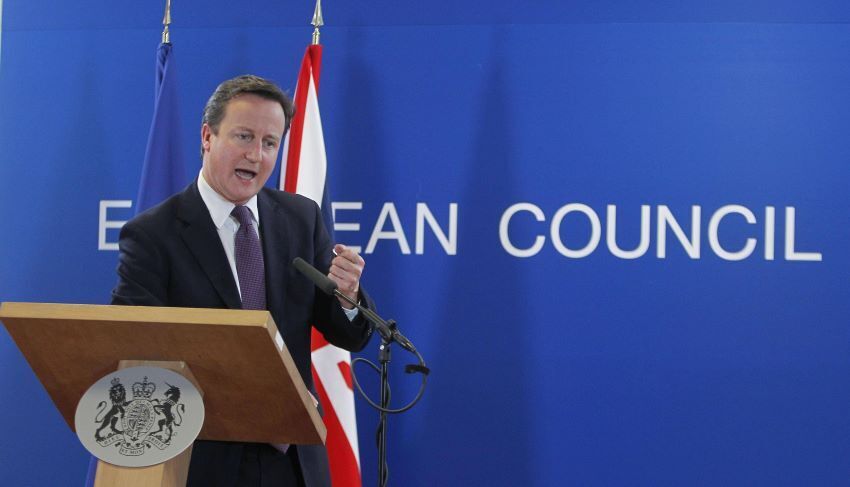
British Prime Minister David Cameron was this afternoon returning from Brussels after sparking furious debate over Britain’s future in the European Union by refusing to sign up to a treaty to save the single currency.
After 10 hours of talks last night, the Mr Cameron risked isolation in Europe by wielding Britain’s veto to block a new treaty designed to restore economic stability by imposing tougher fiscal discipline on the 17 euro states.
At least 23 – and possibly all 26 – of the other member states are now going ahead with their own agreement on a new “fiscal compact”.
European markets responded with calm to the fraught overnight discussions, with shares holding firm and even rising slightly in early trading.
Mr Cameron’s deployment of the veto was hailed by jubilant Tory eurosceptics, some of whom made clear that they regard it as the first step towards a looser relationship with the EU, or even outright withdrawal. One MP hailed him for showing “bulldog spirit”.
Senior Liberal Democrats in the British coalition, including Deputy Prime Minister Nick Clegg, insisted they supported Mr Cameron. But there was dismay elsewhere in the party, with MEP Chris Davies accusing the Prime Minister of “betraying Britain”.
In a dawn press conference, the Mr Cameron himself insisted that what he decided was “the right thing for Britain – a tough decision but the right one”.
He declared: “I had to pursue very doggedly what was in Britain’s interests, which is very difficult in a room where people are pressing you to sign up to things because they say it is in all our interests.”
What was in Britain’s interests, said Mr Cameron, was to win guarantees that in return for backing a 27-nation treaty change, the UK’s voice in crucial policy issues on the single market and the financial services sector – vital for the City of London – would not be diminished.
Without such guarantees he could not back the treaty, prompting Germany and France to lead the move to set up a separate agreement to achieve their aims.
French president Nicolas Sarkozy said Mr Cameron had made “unacceptable” demands for exemptions from certain financial regulations in return for joining in the “fiscal compact” enshrined in the treaty change.
“We were not able to accept because we consider quite the contrary – that a very large and substantial amount of the problems we are facing around the world are a result of lack of regulation of financial services and therefore can’t have a waiver for the United Kingdom,” said Mr Sarkozy.
German chancellor Angela Merkel – the driving force with Mr Sarkozy behind the new accord – said: “I didn’t think David Cameron sat with us at the table. We had to get some sort of agreement and we couldn’t make compromises, we had to meet tough rules.”
Reports suggest that Hungary, the Czech Republic and Sweden – who initially held back from the new deal – may be ready to sign up to an agreement which involves all of the other 26 EU states apart from the UK.