We must work together to solve crisis, Bush tells Brown
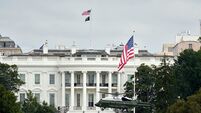
US President George Bush called British Prime Minister Gordon Brown to urge co-ordination on efforts to solve the financial crisis spreading around the world, the White House said today.
Mr Bush talked with Mr Brown and other European leaders and is open to the idea of a leadersâ summit on the economic crisis, White House press secretary Dana Perino said.
The president was due to speak about the economy later in the day during a visit to an office products firm in the suburbs of Virginia.
Ms Perino said the US was satisfied with the level of cooperation among European allies on the crisis.
âI think that he would say that it is sufficient and that they are talking and that theyâre communicating,â Ms Perino said.
âItâs critical that everybody gets on the same page.â
She added that preparations were being made for a meeting at the end of the week of finance ministers from Britain, the US, Germany, France, Italy, Canada and Japan, the so-called G-7, in Washington DC.
âWe want to make sure that everyoneâs on the same page when they get there so that it can be an effective and efficient meeting.â Ms Perino said.
Earlier, the Federal Reserve, the US central bank, announced a radical plan to buy large amounts of short-term debt in a bid to break through a credit clog that is imperilling the US economy.
Invoking 1930s Depression-era emergency powers, the Fed will buy commercial paper, a short-term financing mechanism that many companies rely on to finance their day-to-day operations, such as purchasing supplies or making payrolls.
In a statement, the Fed said: âThis facility should encourage investors to once again engage in term lending in the commercial paper market.â
It added that that should eventually spur financial companies to lend to each other and to their customers, including consumers.
The Fedâs action initially helped lift investorsâ spirits, but concerns about the economy dampened their enthusiasm.
The Dow Jones industrials â which gained about 145 points just after the open - fell nearly 63 points in midday trading.
Yesterday, a sell-off put the Dow below 10,000 for the first time in four years and, in the UK, caused the biggest fall in value of the FTSE 100 since the Black Monday crash of October 1987.
But today credit markets eased slightly after the Fedâs move raised hopes it would quickly relieve the short-term funding problems plaguing some companies.
Fed officials said they will buy as much of the debt as necessary to get the market functioning again, but refused to say how much that might be.
They said that around $1.3tn worth of commercial paper would qualify.
The US Treasury will provide money to the Federal Reserve Bank of New York to support the new programme, the Fed said.
Fed officials would not say how much but believed it would be substantial and it will not come from the $700bn financial rescue package which Mr Bush signed into law on Friday.
Yesterday, the Fed pledged to take âadditional measures as necessaryâ to battle the worst credit crisis in decades.