Fanfare as France takes over EU presidency
France launches its presidency of the European Union tomorrow with a fanfare in Paris and a grudging pledge to mediate in the crisis over Ireland’s rejection of the Lisbon Treaty.
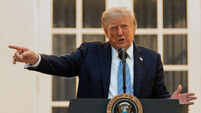
French President Nicolas Sarkozy is determined not to let the Irish setback overshadow his grand plans for his six months at the EU helm.
But it now falls to him to lead efforts to find a way out of the problem, putting his carefully-rehearsed presidency agenda on the back burner.
He is due to fly to Dublin in less than a fortnight to hold talks with Taoiseach Brian Cowen, and to urge the nation to think again.
The fact that his own country scuppered the original constitutional treaty in a referendum three years ago may give him some leverage – or undermine his credibility as an honest broker.
But President Sarkozy knows the success of his EU term of office will now be judged more by progress towards breaking the EU deadlock triggered by Ireland’s “No” vote than by his efforts to push his EU priorities – European defence policy, immigration, agriculture and climate change.
French officials have already indicated that President Sarkozy’s controversial plan to create an EU “Defence Union” will now have to be watered down – not least because defence was one of the concerns of Irish voters, who feared Irish neutrality would be compromised by the Lisbon Treaty.
Just a few months ago France’s Europe minister Jean-Pierre Jouyet was talking about making “irreversible progress” on EU defence during the presidency, boosting capacity for EU military deployment, increasing defence equipment standardisation across Europe and reinforcing the EU arms market and military technology exchange within the member states.
Irish neutrality was never an issue, but the French defence agenda helped fuel the “no” campaign and will now be scaled back.
But when President Sarkozy goes to Dublin he will have sympathy for French farmers, whose own objections to the Lisbon treaty were based on concessions being made in Brussels over EU agriculture in a bid to win a new world trade deal.
President Sarkozy has even accused EU Trade Commissioner Peter Mandelson of being partly to blame for the Irish “No”, for offering farm trade terms to the rest of the world which would leave EU farmers worse off.
The attack, at an EU summit, raised questions about whether Mr Mandelson would join fellow EU Commissioners at the formal ceremony in Paris marking the launch of the French presidency.
And it reinforced President Sarkozy’s reputation as a colourful, outspoken European leader, who is likely to keep the EU in the headlines – not necessarily for the right reasons – for the rest of the year.
“Sarko is certainly a very colourful character” said one EU official.
“Whatever happens during the next six months in the EU, we are in for a lively ride with him at the helm.”