Lebanese troops move in to keep peace

The Lebanese army moved troops to several tense areas around the country today warning would it use force if needed to impose order after clashes between the Western-backed government and Hezbollah-led opposition.

The Lebanese army moved troops to several tense areas around the country today warning would it use force if needed to impose order after clashes between the Western-backed government and Hezbollah-led opposition.

The army, which is respected by the militant Hezbollah group, has played a central role in defusing the violence that started last week by calling on armed supporters from both sides to leave the streets.

But it has remained neutral in the conflict and did not intervene as Shiite gunmen from Hezbollah overran much of western Beirut and the offices of Sunni parliamentary majority leader, Saad Hariri.

The army’s announcement signalled that it could step up its involvement to bring an end to the country’s worst internal fighting since the end of the civil war in 1990, which has left at least 54 people dead and scores more wounded.

“Army units will prevent any violations, whether by individuals or groups, in accordance with the law even if this is going to lead to the use of force,” said an army statement.

One reason the army had largely stayed out of the fighting was the fear that its forces could break apart along sectarian lines as they did during the civil war.

The army statement said troops would prevent armed civilians from roaming the streets and called on all groups in the country to cooperate.

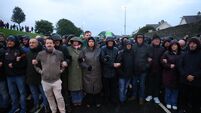
Hezbollah supporters and their allies were seen in several areas of Beirut today, but none were carrying weapons. Streets in the capital were busy as more businesses opened, but schools and universities remained closed. Also, many roads were still blocked by opposition supporters, including the highway leading to the country’s only international airport.

The tense areas where troops deployed today included the northern city of Tripoli that witnessed heavy clashes the day before. The army also continued its deployment in the mountains overlooking Beirut and several areas in the capital.

The recent unrest exploded out of a 17-month political deadlock between the government and the opposition as each jockey for power.

When the government sacked an airport security chief with alleged links to Hezbollah and declared the movement’s private telecommunications network a threat to the state, the well-armed and highly organised militia responded.

Within days, Hezbollah and their allies swept through the city displacing pro-government gunmen, as the army stood by.

The army has offered Hezbollah a compromise. It said the airport security chief would retain his post and recommended to the government that it reverse the decision on the phone network. The government has not yet responded to the recommendation.

More in this section

Cookie Policy Privacy Policy Brand Safety FAQ Help Contact Us Terms and Conditions

© Examiner Echo Group Limited