Fires contained as Greek officials focus on relief effort
Greece’s fire department said all major blazes were “generally receding,” but authorities remained on high alert for possible rekindling of the massive fires that have killed at least 64 people before a new heat wave forecast for the weekend.
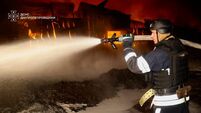
In the southern Peloponnese peninsula, where 57 of the deaths were recorded, all the fronts were contained and firefighters – backed by more than 20 water-dropping aircraft – were moving in to extinguish lingering blazes.
“The fires are no longer spreading,” fire department spokesman Nikos Diamandis said. “We had a drop in the wind, which we exploited.” Temperatures also dropped to about 28 C (82.4 F) in the region, compared with 41 C (105.8 F) on Aug. 24, the day the fires raged unchecked.
But late yesterday authorities evacuated five villages near the mountain village of Karytaina in the central Peloponnese after winds rekindled a blaze. The fire department said Karytaina, which is crowned with a medieval castle, was not in immediate danger.
In the tiny village of Kato Kotyli, three miles east of Karytaina, a handful of residents stayed behind, hosing down their houses. A fire truck took up position at the entrance to the village, while at least four large fire fronts were visible on surrounding hillsides.
At least two major fires still blazed out of control near the Albanian border to the north-west. On the hard-hit island of Evia, north of Athens, where the other seven deaths occurred, all blazes were contained. Diamandis said no inhabited areas were threatened.
With most fires seemingly under control, the conservative government will now focus on a vast relief effort, less than three weeks before national elections.
“Our main task now is to relieve the pain, the stress and the agony that the victims of the forest fires … are feeling,” deputy government spokesman Evangelos Antonaros said.
The inferno destroyed hundreds of homes in dozens of villages, fragile mountain ecosystems – that will require decades to revive – and an entire rural way of life in some of the Peloponnese’s afflicted areas, threatening to turn thousands of villagers into environmental refugees.
The flames even licked the 2,800-year-old World Heritage site of Ancient Olympia, birthplace of the Olympic Games.
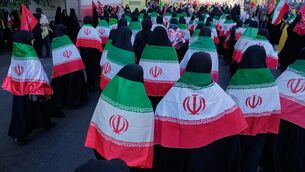
More than 10,000 people, mostly dressed in black and bearing banners reading “No to the destruction of nature” gathered outside the house of parliament in central Athens late Wednesday to silently protest the destruction. Some demonstrators booed and taunted riot police, who responded by throwing stun grenades.
Arson has been widely blamed. Six people have been charged with deliberately setting fires. Up to 469,000 acres were laid waste between Friday and Tuesday alone – 10 times the annual average for the past 50 years, according to the European Commission’s European Forest Fire Information System, or EFFIS. A total of 679,000 acres has gone up in smoke since the start of the year.
Apart from the blow to the Peloponnese’s fragile ecosystems, Greenpeace Greece director Nikos Haralambidis warned that mountain populations could end up as internally displaced “environmental refugees”.
“There will be several thousand people faced with the choice of staying in a burnt land or moving to the cities,” he said. “Their main source of income was olive oil production … and new olive saplings need at least 15 years to produce a decent crop.”
A helpline set up for fire victims and offers of help has received more than 40,000 calls so far, mostly from volunteers who want to contribute aid, Deputy Finance Minister Petros Doukas said.
The Finance Ministry said it was suspending value added tax, or VAT, payments for people and companies and outstanding taxes in afflicted areas for six months and banning seizures of property for outstanding debts.
Although the government has already budgeted about €330m for such aid, the Finance Ministry has said the cost was expected to be much higher.
The fires are dominating political debate before the elections. Criticism that the government failed to respond quickly enough – and its suggestions the fires resulted from an organised attack – could hurt Prime Minister Costas Karamanlis.