Nigeria bird flu 'could easily spread'

Health services in west Africa must be on high alert as the H5N1 strain of bird flu in poultry could spread easily from Nigeria to neighbouring countries, the head of the World Health Organisation said.

Nigeria bird flu 'could easily spread'

Health services in west Africa must be on high alert as the H5N1 strain of bird flu in poultry could spread easily from Nigeria to neighbouring countries, the head of the World Health Organisation said.

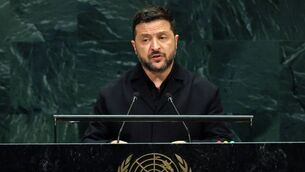
“The confirmation of H5N1 avian influenza in poultry in Africa is a cause for great concern and demands immediate action,” said WHO director general Dr Lee Jong-wook.

“The H5N1 virus now confirmed in Nigeria poses a risk to human health and livelihood.”

The single most important priority at this stage is to warn people about the dangers of close contact with sick or dying birds infected with H5N1, Dr Lee said in a statement.

“This latest outbreak confirms that no country is immune to H5N1. Every country is at risk. Every country must prepare. There is a risk that outbreaks of H5N1 infection in birds could spread within Nigeria and into neighbouring countries.”

Nigerian authorities have detected the virulent strain of bird flu in three states. Yesterday they said it has been killing birds – some 100,000 – for weeks with their campaign to combat the outbreak only just beginning.

“Experience in Asian countries and most recently in Turkey underscores the fact that immediate, clear public information is critical to help protect human health. Slaughtering, defeathering or butchering infected, sick or dead birds can put people at risk,” Dr Lee said.

The Rome-based United Nations Food and Agriculture Organisation has warned that the bird flu strain may be spreading undetected elsewhere in Africa, and Dr Lee warned that it could be particularly dangerous in Africa, where health systems are already struggling to cope with the huge numbers of people suffering from diseases such as HIV/Aids, tuberculosis and malaria.

“The H5N1 virus now confirmed in Nigeria poses a risk to human health and livelihood,” Lee added.

Human cases of H5N1 may be difficult to distinguish from other illnesses and WHO does not know what the impact of bird flu may be on people who are already in fragile health, he said.

“All countries must take measures to protect human health against avian flu, and prepare for a pandemic,” Mr Lee added. “There is no time to waste. We are ready to help all African countries take measures to reduce the risks of H5N1.”

Sub-Saharan Africa, with about 600 million of the world’s poorest people, is particularly ill-equipped to deal with a major health crisis.

More in this section

Cookie Policy Privacy Policy Brand Safety FAQ Help Contact Us Terms and Conditions

© Examiner Echo Group Limited