US marines begin reconstruction efforts
Lt. Col. Edmund Bowen of the US Marines is a seasoned solider who has served in the Persian Gulf and Somalia.
But he’s now finding himself playing the role of peacetime aid worker, taking part in the massive relief efforts in the tsunami-ravaged coastal regions of southern Sri Lanka.
“This is a stable country. This is an entirely different mission than these Marines have seen,” said Bowen, whose 9th Engineer Support Battalion is deploying about 250 Marines, along with bulldozers and dump trucks, to clear debris and pump contaminated wells.
Fifty-four of the Okinawa, Japan-based Marines are staying in Hikkaduwa, a tourist town just northwest of the hard-hit city of Galle, and got to work today, dispatching a bulldozer and truck to a shattered seaside neighbourhood to clear debris.
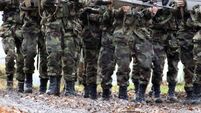
None of them carried weapons or body armour, and wore caps instead of helmets.
Sri Lanka has been grappling with a 20-year separatist insurgency by the Tamil Tigers, but fighting stopped in February 2002 when the government and rebels signed a truce.
“Marines are compassionate. We fight by the laws of war. If we turn on our kinder side, we bring a tremendous amount of speed and capability to a relief operation,” Bowen said.
An American Navy ship, the USS Duluth, is expected to arrive off the southern coast of Sri Lanka in the next day or two, and helicopters will ferry ashore another 116 troops from the 15th Marine Expeditionary Unit as well as equipment, Bowen said.
The assistance is part of a regional effort by the US military, which is also flying supplies to survivors in Aceh, the Indonesian province that was near the epicentre of the undersea earthquake that triggered the tsunami.
Today, Bowen and his crew chose to start work in the village of Pitiwella, where 16 residents out of a total of 150 died in the giant waves that crashed ashore, smashing homes and fishing boats.
Framed photographs, fishing nets, bicycle wheels and slabs of concrete lay in the sand, as former residents watched the American bulldozer lumber over piles of rubble.
“It’s good that the Marines are here. The damage is so bad that we can’t do it alone,” said D.V. Chaturanga, who lost his grandmother and his home to the waves. Other bystanders agreed, saying the US forces were welcome.
CONNECT WITH US TODAY



Be the first to know the latest news and updates