Womb theft baby found from computer address
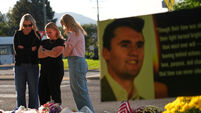
In the end, it wasn’t a fingerprint or a blood spatter that led authorities to the woman suspected of strangling a mother-to-be and cutting the baby from her womb.
It was an 11-digit computer code.
US police zeroed in on Lisa Montgomery in the most 21st-century of ways, by trolling computer records, examining online message boards and – most importantly - tracing an internet IP address, 65.150.168.223, to a computer at her Melvern, Kansas, home.
“That in and of itself led us to the home,” Jeff Lanza, an FBI spokesman here said of the IP, or internet protocol, address, the unique number given to every internet-connected computer.
Investigators say that just before the killing, Montgomery had corresponded over the internet with the victim, Bobbie Jo Stinnett, about buying a dog from Stinnett.
The same technology that makes instantaneous communication possible enabled authorities to crack the case in a matter of hours and rescue the premature baby.
Montgomery, 36, made a first appearance yesterday before a packed courtroom in Kansas City where her lawyer refused to waive her right to preliminary and identity hearings. Both hearings have been scheduled for Thursday morning.
Montgomery is charged with kidnapping resulting in death. Her attorney, Charles Dedmon, would not comment after the hearing.
Assistant US Attorney Terra Morehead also declined to comment, but authorities have said Montgomery confessed to the crime. The four-day-old girl left a hospital in Topeka, Kansas, yesterday with her father and another family member.
“When we received her, she was in pretty good shape,” said hospital spokeswoman Carol Wheeler. “She is just a beautiful, beautiful baby girl.”
Investigators traced Fischer’s IP address back to a dial-up connection from Montgomery’s home in Melvern, about 120 miles south-west of Skidmore. Less than 24 hours after the killing, investigators found the baby at the home and arrested Montgomery.
Experts say IP addresses are not foolproof. They can be made up, like nearly anything else in the internet age. But they often are part of a package of evidence that can lead to a conviction.
“Quite often, in the past, detectives would walk past the computers at the crime scene and look at the hairs and fibres and fingerprints,” said FBI agent Tom Maiorana, director of the bureau’s Regional Computer Forensic Laboratory.
“Now we’re seizing the computers and finding out a tremendous amount of information about the lives of the people involved.”