10 die in Pakistan bus bomb
At least 10 Europeans were killed and 25 injured today when a powerful bomb destroyed a bus in Karachi, Pakistan.
The 45-seat bus was parked outside a local hotel when the explosion occurred.
Inspector Sayed Kamal Shah of Karachi Police said that in the first round of questioning of hotel workers they were told that the bus was taking German nationals to the Arabian Sea port from the hotel.
But he said it now appeared the victims were other Europeans. No Americans were believed to be involved, he said.
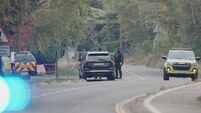
The investigation is continuing and the area around the five-star hotel, which is mostly used by foreigners, has been cordoned off.
New Zealand’s cricket team were staying at a hotel near to the blast and cricket chiefs later cancelled the rest of the team’s tour of Pakistan. The second test against Pakistan had been due to start in Karachi later today.
New Zealand cricket chief Martin Sneddon said the safety of his players was paramount and that the Pakistan Cricket Board accepted New Zealand’s decision to withdraw.
‘‘I will now arrange to have the team immediately fly out of Pakistan and return home to New Zealand.’’
Sneddon told a news conference in Christchurch that none of the players was injured in the blast.
A German Consulate official in Karachi said staff had not been able to confirm any German deaths among the victims. A German foreign ministry spokesman said he was unaware that any Germans were involved.
‘‘We are still trying to identify the nationalities. They were all foreigners,’’ Shah said. ‘‘There may also have been French nationals as well. We are still not certain of the nationalities.’’
No one has claimed responsibility for the powerful explosion.
Shah said police were still trying to determine how it happened, what kind of explosive device was used and how it was detonated.
There have been conflicting reports from eyewitnesses. The explosion destroyed several vehicles in the area.
Shah said another vehicle may even have been involved in the explosion, but so far police on the scene have not been able to reconstruct the incident with complete accuracy.
Initially police said the bus had returned to the hotel from the airport. But later they said the bus had been parked on the street outside a local hotel waiting for a late passenger when the bomb exploded.
The explosion left a large crater on the road and ‘‘the sound was so loud I think you could have heard it from six miles away,’’ said Munir Sheikh, a police officer on the scene at the time of the explosion.
‘‘I was just standing on the street and the noise was so loud it was frightening,’’ he said.
The carnage was horrific, he said. Ambulance struggled to reach the scene trying to weave through the congested early morning traffic.
The injured were taken to local hospitals in Karachi, Pakistan’s largest city of 14 million people.
Police were still trying to identify the bodies, but they believed the people had been in Karachi for several days. Hotel workers had identified them as German nationals, police said.
‘‘I took some of the bodies to the hospital. The condition was very bad. It was horrible,’’ said Mohammed Rizwan, ambulance driver.
Western foreigners in Pakistan have been warned because of threats from militant Islamic groups angry about President Pervez Musharraf’s support for the US-led coalition’s war on terror in neighbouring Afghanistan.
These radical groups were strong supporters of the Taliban regime that collapsed under the coalition’s assault.
Musharraf banned five extremist Muslim groups in January and two months later, grenade-hurling terrorists killed five worshippers in an Islamabad church attended by members of the foreign community. Two of the dead were Americans.
Wall Street Journal reporter Daniel Pearl was kidnapped in southern Karachi in January and killed by radical Islamists protesting against the detention of Taliban and al Qaida in Guantanamo, Cuba.
Four men accused of the killing are currently on trial in the Sindh city of Hyderabad, 60 miles north of Karachi.

CONNECT WITH US TODAY



Be the first to know the latest news and updates