National strike takes hold across Zimbabwe
A national strike to protest at a rise in fuel prices and the government's economic mismanagement has shut down three-quarters of Zimbabwe's economy.
State radio has stated commuter traffic from the massive township of Chitungwiza, south of Harare, is down by 60%.
The main labour federation called the strike on Tuesday to protest against a 70% rise in gasoline prices imposed by the government on June 12 that has further fuelled inflation during Zimbabwe's worst economic crisis.
Labour officials have reported that the western city of Bulawayo had almost completely shut down by noon, and said the strike is taking hold across the country.
Lovemore Matombo, head of the Zimbabwe Congress of Trade Unions, which called the two-day strike, said: "It is going according to plan. By tomorrow, 99% of the country will have stopped work.
"We are satisfied most workers are heeding our call to stay indoors to avoid violence."
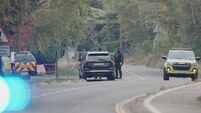
Riot police patrolled poor townships and police reinforcements manned checkpoints around cities and towns.
In the capital, Harare, most banks and shops were closed. Some factories in the industrial district south of the city centre opened their gates to a trickle of workers and small knots of commuters gathered at usually busy bus stops.
State radio, a government mouthpiece, reported that many workers who reached their jobs in Harare's industrial district found themselves locked out by employers supporting the strike.
The government has accused the labour federation of economic sabotage in calling the strike.