Brexit Q&A: Britain’s EU divorce likely to be acrimonious
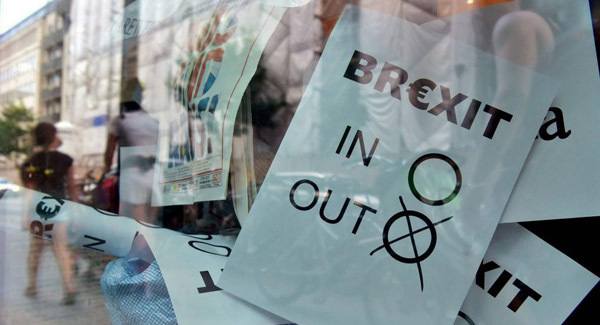
Following what many consider to be the biggest blow to European unity since the start of the last century, what happens now?
That depends on when the British government pulls the trigger and activates Article 50 of the Treaty of Lisbon. That lays out the rules for exit from the EU of any of the member states — none have left before.
The formal activation of the article starts a two-year countdown. Once those two years elapse, Britain will no longer be subject to the treaties which govern EU membership.
Not outgoing British prime minister David Cameron. He has insisted it will be up to the next prime minister to decide when Article 50 should be activated. Cameron has said he is staying for “the coming weeks and months” to “steady the ship”. That new prime minister is unlikely to be in situ until the autumn, most likely after the Tory party conference on October 5. “Leave” campaigners have insisted there should be no rush to start the departure. They first want informal discussions with other EU members — and some are talking of an exit by 2020.
Cameron is likely to come under a lot of pressure from his (for now) fellow EU leaders when they gather in Brussels next week for a European Council summit. After a meeting of European Commission president Jean Claude Juncker, parliament president Martin Schulz, and council president Donald Tusk yesterday, they released a statement calling for Britain “to give effect to this decision of the British people as soon as possible, however painful that process may be. Any delay would unnecessarily prolong uncertainty”.
European leaders are already worried they are likely to face pressure from anti-EU parties for referendums in their own jurisdictions.
A decision on the scale to which Britain divorces itself from the EU and what it keeps in the break-up. There are a huge number of strands to the process. The political separation is unlikely to be straightforward, but the multitude of economic and social considerations will be even more complex. A large percentage of Britain’s MPs were in favour of Remain and it is expected they will put pressure on for the UK to stay in the single market. The terms of exit will be negotiated between Britain’s 27 fellow members, and each will have a veto over the conditions.
People are already asking if the referendum can be re-run, while others are simply seeking the best possible damage- limitation. However, once Article 50 is triggered, there is no way back for Britain into the EU unless by unanimous consent from all other member states.
Ireland has more to lose than any other member state from a Brexit, with far-reaching implications for its trade, economy, security of energy supplies, and peace in the North. Irish exporters will be the first to suffer, as the pound weakened significantly against the euro, making their euro-priced goods more expensive.
Ireland will have to consider taking steps to assist firms exporting into Britain, Foreign Minister Charlie Flanagan has said.