Skin colour of 10 million-year-old snake discovered by UCC research team
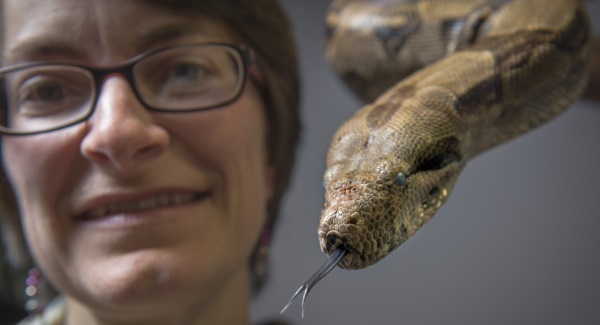
Led by Dr Maria McNamara, the research team have found that some fossils can retain evidence of their skin colours depending on the conditions in which they are fossilised.
This discovery will now aid research into the the evolution and function of colour in animals.
Scientists looking into the colouring of ancient animals have been limited primarily to browns, blacks, and muddy reds as no other pigment has been shown to survive fossilisation.
This snake's skin, encased in calcim phosphate, has opened a whole new world of possibilities.
“When you get fossil tissues preserved with this kind of detail, you’re just gobsmacked when you’re looking at it under the microscope,” said Dr McNamara
“I was astounded. You almost can’t believe what you’re seeing.
“For the first time, we’re seeing that mineralised tissues can preserve evidence of colour,”
The team discovered the mineralised skin cells when viewing the fossil under a high powered scanning electron microscope and then matched the shapes with the pigment cells in modern snakes.
They determined that the snakeskin had three types of pigment cells:
- melanophores - which contain the pigment melanin
- xanthophores - which contain carotenoid and pterin pigments
- iridophores - which create iridescence
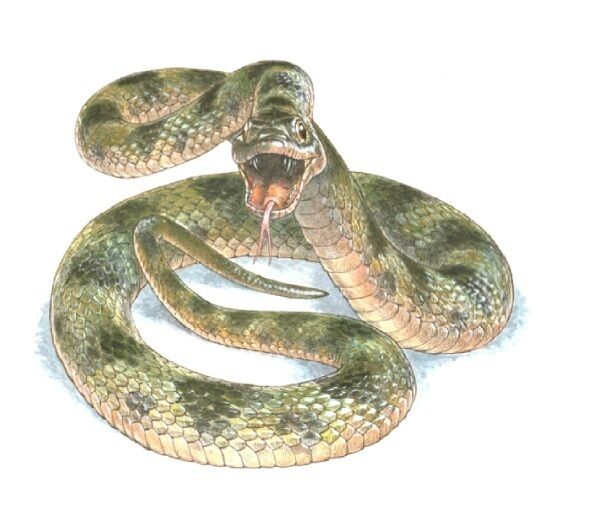
The snake itself was a 'mottled green and black, with a pale underside' which would likely have aided in daytime camouflage.
“Up until this discovery, the only prospect for skin colour being preserved in fossils was organic remains related to melanin,” says Dr McNamara
“But now that we know colour can be preserved even for tissues that are mineralised, it’s very exciting.”
The funding for the research was provided by Enterprise Ireland, the Irish Research Council and a Marie Curie International Mobility Fellowship, and a Marie Curie Career Integration Grant from the EU.


CONNECT WITH US TODAY



Be the first to know the latest news and updates