‘Right gut bacteria may beat poor diet’
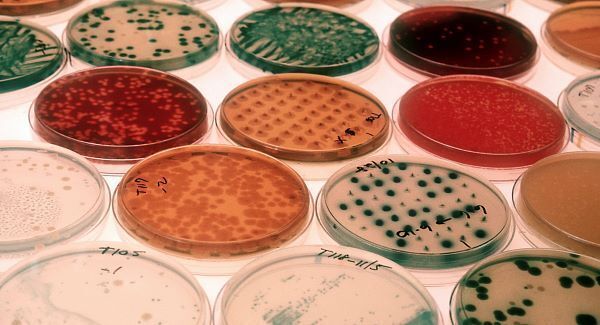
Researchers culled intestinal bacteria from babies and toddlers in Malawi, where malnutrition is common, and transferred them to mice for study.
Tweaking gut microbes improved growth — even though the animals didn’t eat more, or more nutritiously.
We share our bodies with trillions of bacteria, a customised set called a microbiome that starts building at birth. The research is the latest to illustrate how crucial it is to develop a healthy gut. Among the findings: Certain nutrients in breast milk may help that happen.
“If we could hammer home a key point, microbiota count,” said Dr Jeffrey Gordon, of Washington University, in St Louis, who led the series of experiments published in the journals, Science, and Cell. “Building healthy gut microbiota, we think, is important for health in the course of one’s life.”
Gut bacteria do more than break down food for digestion. They synthesise vitamins and micronutrients, and influence immune responses, for example.
“A healthy microbiome will allow us to access calories we might not have been able to use before,” said Dr Ilseung Cho, a gastroenterologist and gut-bacteria specialist at New York University School of Medicine, who wasn’t involved in the new work.
More research is needed before testing the approach in children, but Cho said the findings suggest there may be “very precise bacteria, or very precise nutrient interventions that can unlock the microbiome and help it combat malnutrition.”
While providing special “therapeutic foods” and vitamin supplements helps reduce deaths from malnutrition, Gordon said children still experience stunted growth and neuro-developmental problems.
His team turned to Malawi, where, according to UNICEF, half of children under five have growth stunted by malnutrition.
The researchers already suspected gut bacteria played a role, based on previous research with pairs of Malawian twins, only some of whom were affected.
This time, working with 250 healthy or undernourished children, Gordon’s team defined how a healthy gut microbiome normally develops — and found that the chronically malnourished tots harboured an immature one, too young for their age.
Are those abnormal gut bacteria a result of the children’s malnutrition, or could they be contributing to it?
To tell, the researchers transferred gut bacteria from either healthy or malnourished tots into different sets of germ-free baby mice, rodents born in sterile conditions, so they lacked their own intestinal microbes. They received a mouse version of the typical Malawian diet, primarily corn flour with beans, peanuts, and certain vegetables.
Despite eating the same calories, mice with the healthy gut bacteria gained more lean body mass, and showed healthier bone development and better metabolism in the liver, brain, and muscles, the team reported in Science.