Pregnant women told not to visit Brazil due to Zika virus
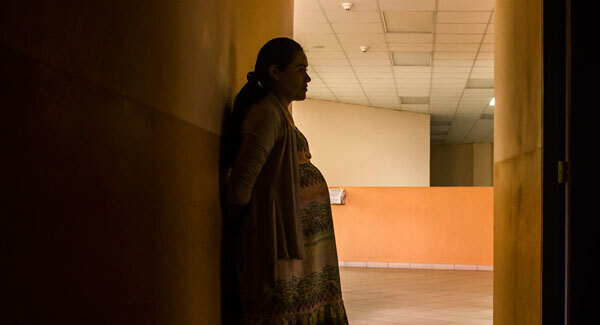
Pregnant women are advised not to travel to Brazil during the 2016 Olympic Games to avoid potential birth defects related to an outbreak of the mosquito-borne zika virus, president Dilma Rousseff’s chief of staff, Jaques Wagner, said.
“It’s a serious risk for pregnant women,” Mr Wagner told reporters after an emergency cabinet meeting, adding “it’s not recommended” for them to travel to Brazil.
The risk for other adults is relatively small, and most people never even show symptoms, he said.
Mr Wagner said the chance of the Olympics being cancelled “doesn’t exist.”
The zika virus in Brazil has been linked to more than 4,000 suspected cases of microcephaly, a condition that causes babies to be born with abnormally small heads and development problems.
Ms Rousseff welcomed the World Health Organization’s decision to declare a public health emergency about the virus because it will help raise awareness, Wagner said.
The WHO has estimated that there could be 3m to 4m cases of the zika virus in Latin America.
The travel industry has begun to feel the impact of the virus’ outbreak as worried holidaymakers and business customers avoid the affected areas.
Cases have been found in at least 23 countries and territories in the Americas.
There is no vaccine for the virus, which has long been endemic in Southeast Asia and parts of Africa where many people have developed immunity.
It is new in the Americas, however, and a treatment or a vaccine could take years to be made available.
As an alternative, health officials are emphasising mosquito control to try and stop the virus spreading.
“This has to be a long-term effort, or the mosquito will return,” said Mr Wagner. “For now, the only vaccine is awareness.”
Meanwhile, a 22-year-old man has contracted the zika virus in Thailand, officials said. Authorities said he is likely to have caught the same strain of the virus which was “was confirmed by blood tests”, Air Vice Marshall Santi Srisermpoke, director of Bangkok’s Bhumibol Adulyadej Hospital, told reporters.
“His symptoms were a fever, a rash and redness of the eyes,” he said, adding he had not travelled abroad.
The man has recovered and been discharged from hospital, he added, without giving further details of how long he was in hospital, or where he contracted the sickness.
British ministers have insisted the risk posed by the explosive spread of the mosquito-borne virus to the British public remains “extremely low”.
Shadow international development secretary Diane Abbott has called on the government to back research into the outbreak.
Responding to an urgent question in the House of Commons, international development minister Nick Hurd said the government is going to review its approach.
Public Health Emergency of Intl Concern: the cluster of #microcephaly cases & its possible association w/ #ZikaVirus https://t.co/jgnorT0Ia1
— World Health Organization (WHO) (@WHO) February 1, 2016