US citizens leave Iran in prisoner exchange
A US official said the Swiss plane had left carrying Jason Rezaian, The Washington Post’s Tehran bureau chief, Saeed Abedini, a pastor from Idaho and Amir Hekmati, a former Marine from Flint, Michigan, as well as some family members.
One more Iranian-American released under the same swap, Nosratollah Khosravi-Roodsari, was not aboard the aircraft. A fifth prisoner, the American student Matthew Trevithick, was released separately from the other four on Saturday.
“We can confirm that our detained US citizens have been released and that those who wished to depart Iran have left,” a senior US administration official said.
Iranian Foreign Minister Mohammad Javad Zarif told CNN the plane was about to depart.
Several Iranian-Americans held in US prisons after being charged or convicted for sanctions violations have also been released, their lawyers said yesterday.
The prisoner deal was the culmination of months of diplomatic contacts, secret talks and legal manoeuvring which came close to falling apart because of a threat by Washington in December to impose fresh sanctions on Iran for recent ballistic missile tests.
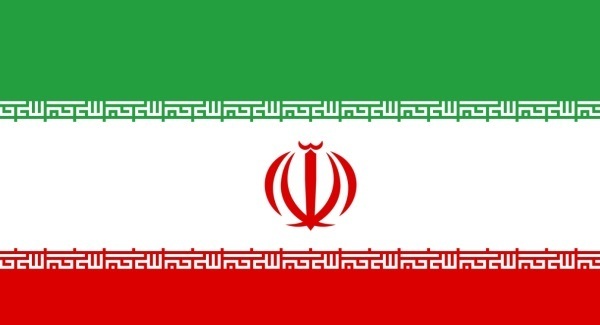
Speaking to parliament earlier yesterday, Iranian President Hassan Rouhani hailed the nuclear deal with world powers and the lifting on Saturday of US, EU and UN sanctions as a “golden page” in Iran’s history.
Rouhani, a pragmatist elected in 2013 on promises to end Iran’s years of sanctions and isolation, said he looked forward to an economic future less dependent on oil exports.
These are nevertheless likely to jump now that the US, EU and UN have scrapped the crippling sanctions in return for Tehran complying with the deal to curb its nuclear ambitions.
But Rouhani noted bitter opposition to the lifting of economic curbs from arch foe Israel, some members of the US Congress and what he called “warmongers” in the region — an apparent reference to some of Iran’s Gulf Arab adversaries.
Presenting the draft budget for the next Iranian fiscal year, which begins in March, Rouhani told parliament the deal was a “turning point” for Iran’s economy.
Meanwhile, Israeli prime minister Benjamin Netanyahu pledged that Israel would remain vigilant to ensure that Iran was not violating its commitments.
Mr Netanyahu maintained his strong opposition to the deal, telling his weekly Cabinet meeting: “The Israel policy remains as it was — not to allow Iran to acquire a nuclear weapon.”
Mr Netanyahu drew the ire of the Obama administration last year by speaking to the US Congress in a bid to prevent the agreement.

CONNECT WITH US TODAY



Be the first to know the latest news and updates