No sign of progress as Syria talks conclude
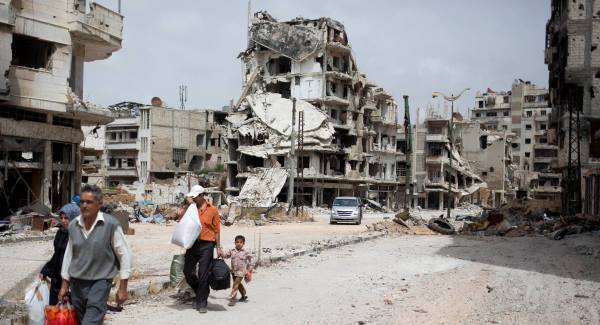
The second such meeting this year in Russia, an ally of Syrian president Bashar al-Assad, was marred by friction among the opposition delegates and was boycotted by the Syrian National Coalition, a Western-backed group based in Istanbul.
Russian mediator Vitaly Naumkin, Qadri Jamil, a former Syrian government official now with the opposition, and the head of the Syrian government delegation in Moscow, Bashar al-Jaafari, praised an accord they said both sides had endorsed.
They said it called for a political deal based on an agreement reached in Geneva in 2012, an end to outside meddling, and a halt to support of terrorism in Syria.
“We had no illusions that these talks could provide solutions to all the problems. But we managed to agree on some points,” Jamil said.
“We should see the glass as half-full, not half-empty.”
However, Samir Aita, of the Syria Democratic Forum group, said not all opposition delegates supported the document. He called for trust-building measures and humanitarian issues to be addressed, including release of political prisoners in Syria.
“Despite all the casualties in Syria, it seems Bashar al-Assad still does not understand what a political solution is,” Aita said.
“I think the Syrian regime missed a chance to move toward a political solution. This document doesn’t help build hope; on the contrary, it destroys it.”
Although the delegations agreed on the need to fight terrorism and end foreign meddling, they disagreed on what exactly that meant.
Another point of contention was a drive by Kurds for self-rule and their refusal to disarm.
Damascus says only the Syrian army should be allowed to bear arms. The opposition said that should be the case in the future, after a political transition.
Participants also said they discussed returning to talks in Geneva, which collapsed last year, but no decisions were taken.
The first round of talks in Moscow in January also ended inconclusively and Naumkin said a pause was now likely. The Syrian National Coalition has said it will only take part in the talks if they lead to Assad’s departure.
Most of the factions fighting in Syria, including the most powerful single insurgent force, the Islamic State, have had nothing to do with any political discussions between the Syrian government and its political opponents.
CONNECT WITH US TODAY



Be the first to know the latest news and updates