Toilet turns human waste into clean water
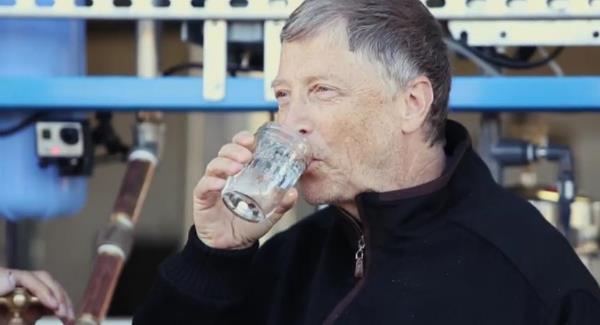
The “nano membrane toilet”, being developed with funding from the Bill and Melinda Gates Foundation, aims to help bring sanitation into the homes of 2.5bn people still without it in developing countries, without needing water supplies or sewage pipes.
The team at Cranfield University, Bedfordshire, say it could also be used in developed countries, for uses ranging from the military to luxury yachts, the construction industry, or even as an odour-free alternative to toilets widely used at music festivals.
Jake Larsson, one of the team working on the project, said: “The nano membrane toilet is a project that looks to serve the needs of people in developing countries to stop a major spread of disease, which is inadequate sanitation.”
The toilet, activated once the lid is closed, rotates the bowl to carry the waste into a holding tank, maintaining an “odour barrier” to prevent smells, and using a sweep mechanism instead of a flush. In the tank, a “nano membrane” only allows through water molecules, separating it from solid waste and pathogens that are too large to pass through it.
The water that is collected is suitable for irrigating fields, washing, or cleaning, and could even be made clean enough to drink.
CONNECT WITH US TODAY



Be the first to know the latest news and updates