Tensions high in crisis talks on Ukraine
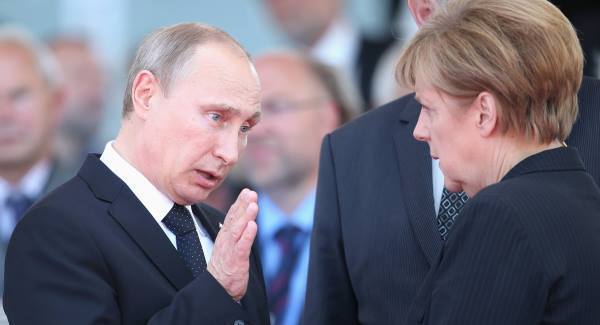
The four leaders held a call yesterday, two days after Chancellor Angela Merkel and French President François Hollande travelled to Moscow for talks with Putin that produced no breakthrough in the nearly year-long conflict that has claimed over 5,000 lives.
After the call, Ukraine president Petro Poroshenko said progress had been made and that he was hopeful the meeting in Minsk would lead to a “swift and unconditional ceasefire” in eastern Ukraine, where pro-Russian separatists have stepped up a military offensive in recent weeks, seizing new territory.
A Ukraine military spokesman said yesterday that intense fighting was continuing around the rail junction town of Debaltseve, with rebel fighters making repeated attempts to storm lines defended by government troops.
At a high-level security conference in Munich over the weekend, Merkel said it was uncertain whether further negotiations would lead to a deal with Putin but argued that all opportunities for a diplomatic solution should be pursued.
She came under sharp criticism from US senators Lyndsey Graham and John McCain, both Republican hawks, for opposing the sending of weapons to the Ukraine army to help it fight the separatists.
“The Ukrainians are being slaughtered and we’re sending them blankets and meals,” McCain said in Munich. “Blankets don’t do well against Russian tanks.”
US Secretary of State John Kerry sought to play down the differences with Europe.
“Will we remain united? The answer is absolutely, positively, unequivocally we are united, we will remain united,” Kerry told the conference yesterday, describing any differences as tactical rather than strategic.
Members of the Obama administration are also believed to be sceptical about arming Ukraine but the president faces intense pressure from a Republican-led Congress to act.
The Germans believe sending weapons to a depleted Ukraine army would not improve its chances against separatists armed with “unlimited” supplies of Russian military equipment.
They also fear delivering arms would internationalise the conflict, playing into the hands of Putin, who has painted the crisis as a western plot to weaken Russia.
Merkel, 60, flew to Washington yesterday for talks with Obama. A Russian speaker she has taken the lead in pursuing a diplomatic solution to the conflict.
CONNECT WITH US TODAY



Be the first to know the latest news and updates