Litvinenko’s postmortem ‘world’s most dangerous’
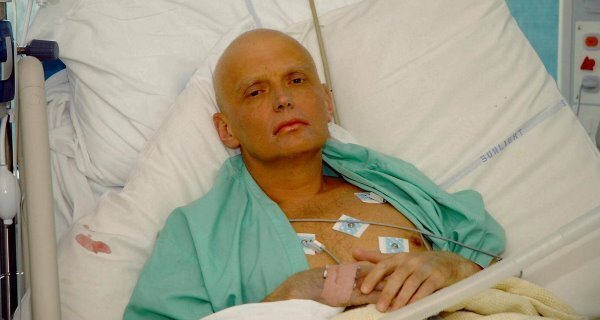
The postmortem examination of poisoned spy Alexander Litvinenko was “one of the most dangerous ever undertaken in the western world”, the public inquiry into his death has heard.

Litvinenko’s postmortem ‘world’s most dangerous’

Dr Nathaniel Cary, a Home Office forensic pathologist, said Mr Litvinenko’s radioactive body was “very hazardous” and was transferred to a secure site for tests.

During the postmortem examination, Dr Cary and his colleagues wore two white safety suits, protective gloves taped at the sleeves and specialised hoods, into which air was piped through a filter.

Mr Litvinenko, 43, a former Russian spy who is thought to have been working for British secret service MI6 during his time in the UK, died at University College Hospital nearly three weeks after he had consumed tea laced with polonium-210 on November 1 at the Millennium Hotel in London’s Grosvenor Square.

Dr Cary told the inquiry: “It has been described as the most dangerous postmortem examination ever undertaken in the western world and I think that is probably right.”

Mr Litvinenko, who lost all his hair before his death, showed signs of multi-organ failure as a result of acute radiation poisoning, Dr Cary told the inquiry.

His cause of death was recorded as acute radiation syndrome, the pathologist said.

Dr Cary went on: “It appears Mr Litvinenko ingested a large quantity of polonium-210 on or around November 1 2006, largely if not wholly by oral ingestion, rather than by inhalation.”

“The calculated amount absorbed was in far excess of known survivability limits,” he added.

Asked if there was anything in Mr Litvinenko’s clinical history inconsistent with acute radiation syndrome, Dr Cary said: “No. In effect, the polonium-210 detected is the smoking gun in the case. It shows you what happened.”

The pathologist agreed there was no precedent for alpha radiation poisoning in this way.

Another pathologist, Dr Ben Swift, agreed it was the most dangerous postmortem to have ever taken place and there was no other recorded instance in the UK or overseas.

He said inflammation in the back of Mr Litvinenko’s throat and wind pipe suggested he had swallowed the polonium-210.

An anonymous scientist, who gave evidence from behind a screen and was known only as A1, told the inquiry there was nothing found in traces on the so-called polonium trail in the Litvinenko case that would help identify its source, that is, a specific nuclear reactor.

x

More in this section

Cookie Policy Privacy Policy Brand Safety FAQ Help Contact Us Terms and Conditions

© Examiner Echo Group Limited