‘Terrorism not behind jet crash’
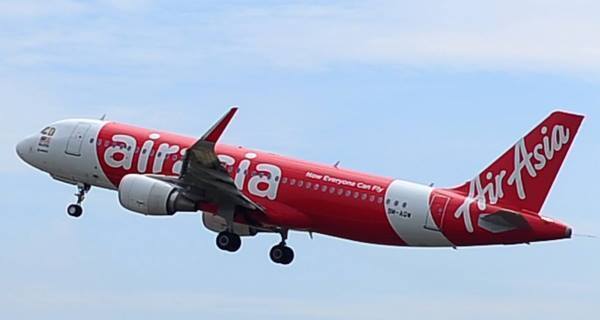
Indonesian investigators said they had found no evidence so far that terrorism played a part in the crash of an AirAsia passenger jet last month that killed all 162 people on board.
Andreas Hananto said his team of 10 investigators at the National Transportation Safety Committee (NTSC) had found “no threats” in the cockpit voice recordings to indicate foul play during AirAsia Flight QZ8501.
The Airbus A320-200 vanished from radar screens on December 28, less than halfway into a flight from Indonesia’s second-biggest city of Surabaya to Singapore. There were no survivors.
When asked if there was any evidence from the recording that terrorism was involved, Hananto said: “No. Because if there were terrorism, there would have been a threat of some kind.”
“In that critical situation, the recording indicates that the pilot was busy with the handling of the plane.”
Investigators said they had listened to the whole of the recording but transcribed only about half.
“We didn’t hear any voice of other persons other than the pilots,” said Nurcahyo Utomo, another investigator. “We didn’t hear any sounds of gunfire or explosions. For the time being, based on that, we can eliminate the possibility of terrorism.”
Utomo said that investigators could hear “almost everything” on the recording contained in one of the flight’s two “black boxes”. The other is the flight data recorder, and both have been recovered from the wreckage at the bottom of the Java Sea.
He declined to give details about what was said during the flight’s final moments, citing Indonesian law.
Indonesian authorities have said that bad weather was likely to have played a part in the disaster.
According to Hananto, evidence also showed that an explosion was unlikely before the plane crashed, disputing a theory suggested by an official from the National Search and Rescue Agency last week.
“From the (flight data recordings), it’s unlikely there was an explosion,” Hananto said. “If there was, we would definitely know because certain parameters would show it. There are something like 1,200 parameters.”
The final minutes of the AirAsia flight were full of “sounds of machines and sounds of warnings” that must be filtered out to get a transcript of what was said in the cockpit, said Hananto, who has been an air safety investigator since 2009.
The first half of the two-hour-long cockpit voice recording has been transcribed. That includes audio from the previous flight and the beginning of Flight QZ8501, which crashed 40 minutes after takeoff.
The team hopes to finish transcribing the recording this week, Hananto said.

CONNECT WITH US TODAY



Be the first to know the latest news and updates