Does Sony hack spell the end for overseas villains?
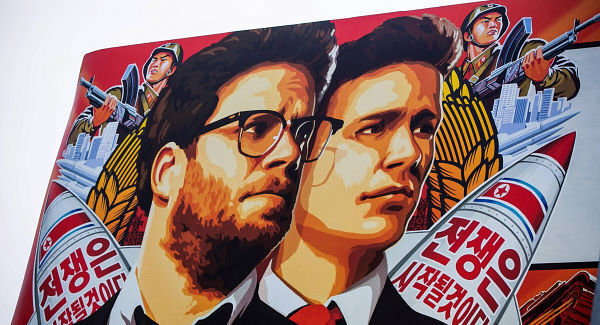
One film has already bit the dust.
Pyongyang, an adaption of a graphic novel set in North Korea, was given the axe this week after distributor Fox abandoned the project and producer New Regency was forced to cancel any plans. Director Gore Verbinski (Pirates of the Caribbean) had imagined the project about an animator who goes to North Korea for work and is accused of espionage as a starring vehicle for Steve Carell.
“I find it ironic that fear is eliminating the possibility to tell stories that depict our ability to overcome fear,” Verbinski said in a statement to trade website Deadline.
While it’s possible that another company could pick up the rights, it’s just as likely that Pyongyang might never make it to the big screen. Neither Fox nor New Regency responded to requests for comment, but Verbinski said the decision was directly related to the Sony fallout.
The big question is whether or not more films, or even ideas, will be dead on arrival, born of a fear that a threat could jeopardise an entire release.
Seth Rogen knew he was being provocative with The Interview’s depiction of Kim Jong Un, but was quick to point out that “it’s just a movie.” For creative types, it’s a dangerous precedent.
“Are we now living in a world where we’re not allowed to say that these are bad people?” asked director Judd Apatow. “Are we not allowed to make a movie where ISIS is the bad guy now? That’s been happening since Charlie Chaplin made The Great Dictator. There’s so much political correctness that there (are) almost no villains left. Comedians attack power and corruption and things that feel wrong.”
But everyone knows creativity isn’t the sole behind movies. Business interests reign supreme. As foreign box office becomes more important for the bottom line, studios have been forced to take a microscope to all elements of cinematic storytelling to ensure they’re not ostracising a potential revenue source.
And North Korea was supposed to be the “safe” villain.
In 2011, the filmmakers behind the Red Dawn remake even changed the film’s aggressors from Chinese to North Koreans in post-production so as not to negatively impact grosses from China, which has since become the world’s largest film market outside the US.
From Die Another Day to Salt and Olympus Has Fallen, North Koreans have become the default baddies for silly action flicks that don’t want to offend China, Russia, or anyone else who might think of seeing their movies.
“North Korea was seen as a make-believe rogue nation — its own mythology only helped them to become this — that could be so easily made into a pantomime villain,” said Simon Fowler, a blogger and film critic who studies depictions of North Korea in film.
“But as they’re just starting to show their teeth, they are becoming a lot less comical,” he says.
While North Korea might just become comedy’s biggest target, studios with more expensive properties will probably have to play it safe.
Hollywood stars reacted furiously to the decision to pull The Interview — with Ben Stiller branding it “a threat to freedom of expression”.
Some of America’s biggest stars accused Sony film bosses of bowing to the bully-boy tactics of hackers.
Ben Stiller said: “Really hard to believe this is the response to a threat to freedom of expression here in America.” Stressing he was speaking “as a creative person, not any kind of expert”, he added: “Terror threats shouldn’t dictate free expression.”
Rob Lowe, who starred in the West Wing, said: “Wow. Everyone caved. The hackers won. An utter and complete victory for them. Wow.”
He compared the decision to pull the film to the former British prime minister Neville Chamberlain’s policy of appeasement with Adolf Hitler. He tweeted: “Saw @Sethrogen at JFK. Both of us have never seen or heard of anything like this. Hollywood has done Neville Chamberlain proud today.”
Film-maker Michael Moore joked: “Dear Sony Hackers: now that u run Hollywood, I’d also like less romantic comedies, fewer Michael Bay movies and no more Transformers.”
Comedian David Walliams tweeted: “It’s a sad day when Sony Pictures bow to the will of a brutal dictator who murders his own people.’’
CONNECT WITH US TODAY



Be the first to know the latest news and updates










