Malala hopes peace prize will inspire other girls
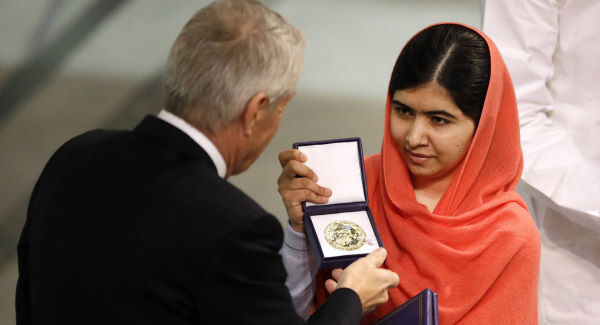
Nobel peace laureate Malala Yousafzai yesterday offered hope that her prize will inspire young girls around the world to fight for their rights — and to step forward to lead.

Malala hopes peace prize will inspire other girls

The 17-year-old girl shot by the Taliban in Pakistan in October 2012 for asserting her right to an education told The Associated Press that the time is now for women to proclaim their rights and that “change is coming”.

“I feel that it’s not just me receiving the award,” Malala said. “It’s all these girls, this young generation, they have been working so hard, and it’s their voice I would be raising in my speech today,” she said.

Malala has felt the bond of a global sisterhood of sorts, with women gathering the strength to fight for education, the key to a future. To drive home the point that women must have greater inclusion in the next generation of leaders, she brought five girls to the festivities from Nigeria, Syria and Pakistan to share their hopes and dreams of a better life.

The newly minted laureate has herself often expressed her wish to lead — setting sights on one day becoming Pakistani prime minister and following in the steps of the late Benazir Bhutto.

And it was in talking about home, about Pakistan, that this child of steel melted — a bit. It was as if all the excitement about the Nobels, all the interviews, all the banquets just faded for a moment as she described her pride in being Pakistani and what the award would mean for people back home.

“There was a time this region of the world was called a terrorist place, and many people get scared of it. No one even tried to say the name of this country,” she said. “So I am really proud to tell people that the people of Pakistan are peaceful, they have harmony, they love each other, they believe in brotherhood.

“But there are some extremist-minded people who misuse the name of Islam and who give a bad name of our country. But that’s not true. Many people are standing up for children’s rights, woman’s rights and for human rights,” she said.

Yousafzai is sharing the prize with Kailash Satyarthi of India. Both have campaigned for the rights of children and young people, particularly education.

The two laureates share a hard-won understanding among those activists who have suffered much. They talk of further collaboration, and certainly of friendship.

“When I asked her that I think, you’re like my daughter, can you accept me as father ... her response was immediate, spontaneous.

She said: ‘Yes, you are my new father,” Satyarthi, 60, said. “And then I asked her father also ... what are you going to do in this new situation? “And he was so happy. He said: ‘Yes, yes. You are the new father for her.’”

More in this section

Cookie Policy Privacy Policy Brand Safety FAQ Help Contact Us Terms and Conditions

© Examiner Echo Group Limited