Bird population nosedives as farm methods change
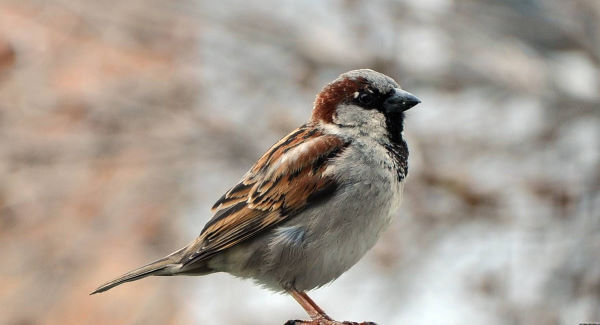
Around 90% of the losses have affected the most common and widespread species, including sparrows, skylarks, grey partridges and starlings.
Scientists believe the population crash can be linked to modern farming methods and deteriorating and increasingly fragmented habitats.
Dr Richard Inger, one of the researchers from the University of Exeter, said: “It is becoming increasingly clear that interaction with the natural world and wildlife is central to human well-being, and significant loss of common birds could be quite detrimental to human society.”
Not all common birds are declining however.
Populations of great tits, blue tits, robins and blackbirds, are all going up, the study found.
Rare species such as marsh harriers, ravens, buzzards, storks and stone curlews had also shown increases in recent years, probably due to conservation efforts.
The research, co-led by the Royal Society for the Protection of Birds (RSPB), is published in the journal Ecology Letters.
Dr Richard Gregory, from the RSPB’s Centre for Conservation Science, said: “This is a warning from birds throughout Europe.
“It is clear that the way we are managing the environment is unsustainable for many of our most familiar species.”
The scientists analysed data on 144 species of European birds collected from surveys in 25 countries.
CONNECT WITH US TODAY



Be the first to know the latest news and updates