IS seizes wheat as part of effort to control region
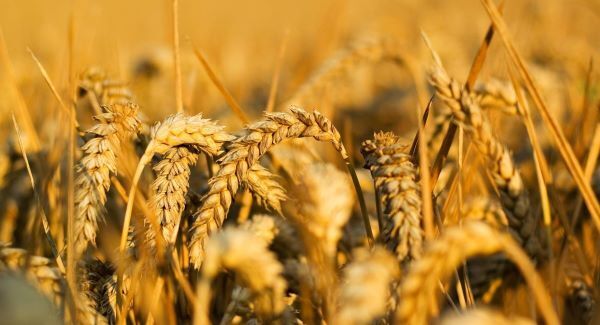
A wheat farmer from outside Mosul, Paulis and his family fled the militant group Islamic State early last month. The group overran the family farm as part of its offensive that captured vast swathes of territory in northern Iraq. Two weeks later, Paulis, who is a Christian, received a phone call from a man who said he was an Islamic State fighter.
“We are in your warehouse. Why are you not here working and taking care of your business,” the man asked. “Come back and we will guarantee your safety. But you must convert and pay $500.”
When Paulis refused, the man spelled out the penalty. “We are taking your wheat,” he said. “Just to let you know we are not stealing it because we gave you a choice.”
Other fleeing farmers recount similar stories, and point to a little-discussed element of the threat Islamic State poses to Iraq and the region. The group now controls a large chunk of Iraq’s wheat supplies. The UN estimates land under Islamic State control accounts for up to 40% of Iraq’s annual production of wheat, one of the country’s most important food staples.
The militants seem intent not just on grabbing more land but also on managing resources and governing in their self-proclaimed caliphate.
Wheat is one tool at their disposal. The group has begun using the grain to fill its pockets, to deprive opponents — especially members of the Christian and Yazidi minorities — of vital food supplies, and to win over fellow Sunni Muslims as it tightens its grip on captured territory. In Iraq’s northern breadbasket, much as it did in neighbouring Syria, Islamic State has kept state employees and wheat silo operators in place to help run its empire.
Such tactics are one reason Islamic State poses a more complex threat than al Qaeda, the Islamist group from which it grew. For most of its existence, al Qaeda focused on hit-and-run attacks and suicide bombings. However, Islamic State sees itself as both army and government.
“Wheat is a strategic good. They are doing as much as they can with it,” said Ali Bind Dian, head of a farmers’ union in Makhmur, a town near Islamic State-held territory between Arbil and Mosul.
“Definitely they want to show off and pretend they are a government.”
The Sunni militants and their allies now occupy more than a third of Iraq and a similar chunk of neighbouring Syria. The group generates income not just from wheat but also from “taxes” on business owners, looting, ransoming kidnapped Westerners, and, most especially, the sale of oil to local traders.
Oil brings in tens of millions of dollars every month, according to estimates by the Brookings Doha Centre in Qatar. That helps finance Islamic State military operations — and is why Islamic State-held oilfields in Syria are targets in US-led air strikes.
“Islamic State presents itself as exactly that, a state, and in order to be able to sustain that image and that presentation, which is critical for continued recruitment and legitimacy, it depends on a sustainable source of income,” said Charles Lister, also of the Brookings Doha Centre.

CONNECT WITH US TODAY



Be the first to know the latest news and updates