3,000 dead from ebola as vaccines set to start 
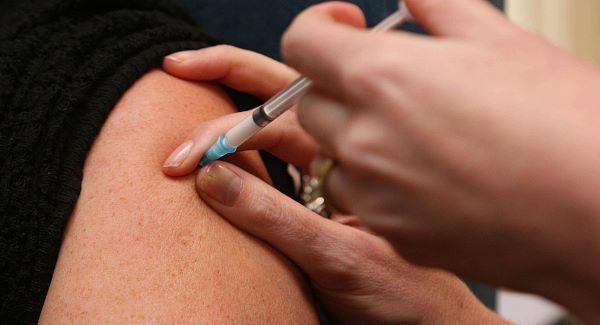
The World Health Organisation said it expects to begin small-scale use of two experimental ebola vaccines in West Africa early next year and in the meantime, transfusions of survivors’ blood may offer the best hope of treatment.

3,000 dead from ebola as vaccines set to start 

WHO is working with pharmaceutical companies and regulators to accelerate the use of a range of potential treatments to fight the disease that has no cure and which has killed 2,917 out of 6,263 people infected in West Africa since an outbreak began in March.

GlaxoSmithKline has begun clinical trials of its vaccine in the US and Britain, to be followed by a trial starting in Mali next week, while NewLink vaccine trials are about to start in the US and Germany, said Dr Marie-Paule Kieny, WHO’s assistant director general.

“If everything goes well again we might be able to start to use some of these vaccines in affected countries at the very beginning of next year, in January. This will not be a mass vaccination campaign, let’s be clear about that, because the quantity which will be available doesn’t make this possible,” Kieny said.

She stressed, however, that the shots are experimental and have not yet been shown to work against ebola: “They have given very promising results in monkeys, but monkeys are not humans.

“We could still face a situation where these vaccines would be unsafe in humans or where they would do nothing in terms of protection. So we need to be very prudent.”

Data will be collected from clinical trials when the experimental vaccines are being given to healthy volunteers who are then monitored for adverse side effects and to see if the shot elicits an immune response in their blood.

Regulators at the European Medicines Agency said they would begin reviewing data on experimental ebola medicines to support any decisions made on whether to use them for treating patients.

The global vaccines alliance GAVI — the world’s biggest funder of immunisations for people in poor countries — said it was exploring how it could help speed up the availability of any ebola vaccines that prove effective.

Canada has given 800 vials of the NewLink candidate vaccine to WHO, expected to yield at least 1,500 doses, Kieny said, and the US-based firm is “working very hard to produce a few more thousand doses in the coming months”, she said.

GSK has said it hopes to have 10,000 doses of its experimental vaccine by the end of this year.

Kieny said an experimental ebola vaccine being developed by Johnson & Johnson but not yet ready for trials in humans is also under consideration.

Experimental ebola drugs including compounds from Mapp Biopharmaceutical, Sarepta, and Tekmira will be tested in affected states for the first time in a bid to fast-track trials.

IMF aid

The International Monetary Fund has approved $130m (€102m) in emergency aid to Guinea, Liberia and Sierra Leone to help the West African countries respond to the ebola outbreak.

The Washington-based lending institution said the amount will cover part of the immediate budget needs of the three countries but added help was needed from other donors.

Christine Lagarde, the head of the IMF, said the organisation is working “to ensure that the outbreak is quickly brought under control”

More in this section

Cookie Policy Privacy Policy Brand Safety FAQ Help Contact Us Terms and Conditions

© Examiner Echo Group Limited