Downton returns but Clooney is a ‘no show’
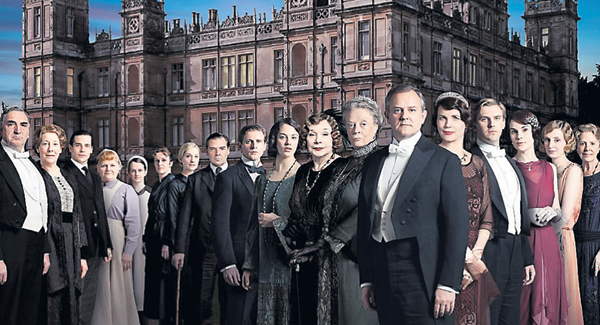
As with many Americans, Clooney is reportedly besotted with the genteel British period drama and its rosy portrait of upper-class life in the early 20th century and pleaded with Downton creator Julian Fellowes to write a part for him.
However, it is rumoured he won’t be making his much appearance — filmed in conditions of extreme secrecy— until the Downton Christmas special.
Not that Downton requires Hollywood’s blessing. With a global audience in the tens of millions and a mantelpiece heaving with awards it is doing perfectly well on its own. As devotees would expect and demand, the opening installment of season five offered an agreeable tableaux of bumbling upper-class English types, set loose in a Bertie Wooster wonderland. Tea was taken, butlers and maids bustled in the background. Occasionally a character say something Wodehouse-esque.
However, there were hints of upheaval too. It’s 1924 and we learned a Labour government has assumed power for the first time, a worrying portent for the pheasant-shooting classes.
Closer to home, the Earl of Grantham, Robert Crawley, was stung to learn a committee of local villagers seeking to erect a war memorial wanted the appeal to be headed by the Earl’s butler rather than Crawley himself.
Downton is sometimes accused of cheerful water-treading — of serving up endless scenes of grouse hunting to no greater purpose. For fans of ‘Big House’ bling, there was certainly lots of eye candy last night so that, amidst the period lushness, instances of genuine drama stood out.
A pouting servant romped with an over-sexed aristocrat, Earl Crawley took tempestuous issue with the suggestion that the First World War had been a futile exercise in blood-letting, Lady Mary was noncommittal when pressed about her intentions towards a suitor (or at least she was at first — in the end she agreed to a naughty weekend away so hey could get to know one another better).
Most of the budget was, you suspect, blown on a set-piece featuring a fire in one of the mansion’s bedrooms (started, we were encouraged to believe, by dastardly manservant Tom Barrow). The fire gave Earl Grantham an opportunity to demonstrate his stiff upper lip and leadership (he also stumbled upon the aforementioned Lady Anstruther, cavorting with her servant).
The feistiest moment, however, came at dinner when Grantham exchanged frank views with his Irish estate manager Tom Branson.
“What did the [war] achieve, beyond the Russian revolution, which you hate?” said Branson. Dowager Countess Grantham piped up. “Principles are like prayers,” she sighed. “Noble of course, but awkward at a party.”