Russian tycoon’s arrest re-ignites fears of a ‘second Yukos’
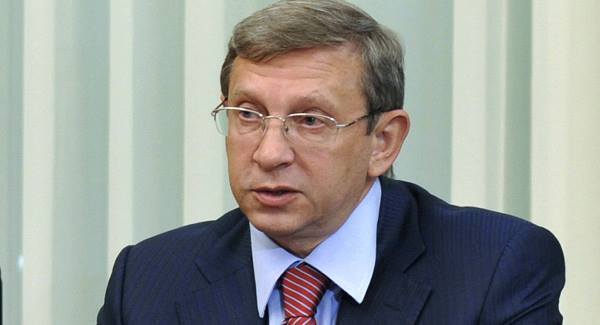
The criminal case against Vladimir Yevtushenkov, 65, marks the first attack on a billionaire businessman since the arrest in 2003 of Mikhail Khodorkovsky, the former head of Yukos, which was the country’s largest oil company at the time.
He spent the next decade in prison on tax evasion and misappropriation charges and saw his company taken over by the state and sold in pieces.
The prosecution of Mr Khodorkovsky had sent a clear message to Russian oligarchs: stay out of politics and your property will be safe. Russia’s rich have followed that rule for nearly a decade, and now fret that the unspoken promise may be void.
“It shows that now, no one is protected,” said Vladimir Milov, an opposition politician and former deputy energy minister.
Market watchers are almost unanimous in saying that Mr Yevtushenkov’s house arrest is a move by the government and state-owned oil giant Rosneft to take control of his oil company, Bashneft. Rosneft is seeing its oil output falling and has been hit by Western sanctions, whereas Bashneft is enjoying a boom.
The Investigative Committee, Russia’s top criminal investigative agency, charged Mr Yevtushenkov with money laundering and placed him under house arrest. He could face up to seven years in prison if found guilty.
Mr Yevtushenkov runs and controls Sistema, a sprawling conglomerate which includes Russia’s largest mobile operator MTS, Bashneft and other assets. Bashneft, with a market capitalisation of $6.7bn is one of a few oil companies still in private hands. Sistema’s shares lost 38% yesterday.
Investor confidence in Russia has been battered this year by concerns over the economic consequences of Moscow’s hard line in the Ukraine crisis. Since Russia’s annexation of Crimea in March, the country has been hit with rounds of sanctions by the US and EU. Investors are also alarmed by the Kremlin’s willingness to impose import bans that are meant as retaliation against the West but are also hurting domestic companies and households.
The charges against Mr Yevtushenkov date back to Sistema’s purchase of oil assets in the province of Bashkiria in 2009. These assets were once state-owned but changed hands before they were sold to Sistema. The prosecutors argue the seller had acquired them illegally, making Sistema’s purchase illegal too.
Mr Yevtushenkov’s billionaire peers from the Union of the Industrialists and Entrepreneurs insist his company was a bona fide buyer.
Sistema, which also has its shares listed in London, said its purchases of the oil assets were “legal and transparent” and it pledged to protect them.
Anatoly Chubais, a former Russian deputy prime minister and chairman of a state-owned high-tech conglomerate, stood firmly on Mr Yevtushenkov’s side. Chubais warned that Mr Yevtushenkov’s arrest has dealt “an extremely serious blow” to the investment climate in Russia.
Mr Khodorkovsky accused Igor Sechin, a close confidante of President Vladimir Putin and CEO of state-owned oil giant Rosneft, of trying to take control of Bashneft. Mr Sechin was widely seen as the driver behind the demise of Yukos and Mr Khodorkovsky’s imprisonment. He has denied the allegations.
CONNECT WITH US TODAY



Be the first to know the latest news and updates










