Ashya has 70% chance of survival, say Prague doctors
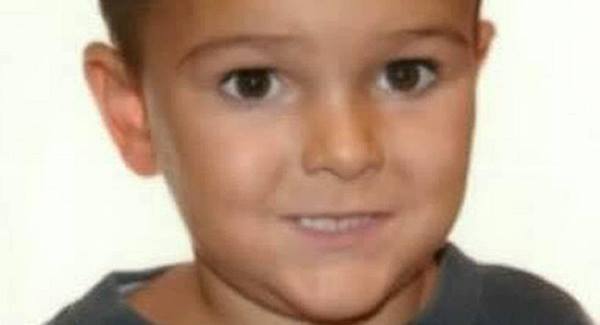
Ashya King, who is undergoing his first tests at a Czech clinic in preparation for proton treatment, could have a 70% chance of survival, doctors said.

Ashya has 70% chance of survival, say Prague doctors

The five-year-old brain tumour patient has been admitted to the Proton Therapy Centre Czech (PTC) in Prague.

His six-week proton beam therapy treatment is expected to begin next Monday.

The cancer-stricken boy finally arrived in the Czech Republic on Monday after a protracted legal battle over his care that saw his parents arrested in Spain and separated from him for several days.

Brett and Naghmeh King triggered an international police pursuit when they removed Ashya from Southampton General Hospital on August 28.

They were desperate for him to be given the proton therapy, which was not available to them on the NHS.

Speaking after arriving in Prague, Mr King said they were “just so happy to be here”.

“This is what we wanted from the beginning. Things went from bad to worse at one stage.

“We just want the best for Ashya. He’s got to get through this, he’s got to get better.”

Doctors gave him a 70% chance of survival if the treatment is successful and the tumour doesn’t spread.

Yesterday the child underwent his first MRI examination and Jan Stary, head of the Prague Motol hospital children’s haematology and oncology clinic, where Ashya is also being examined, said proton beam therapy would begin next week.

A Motol spokeswoman said the “results of all scans will most probably be available on Wednesday evening”.

In a statement, the Proton Therapy Centre said: “If all goes well and the physicists will be able to prepare Ashya’s irradiation plan in four days already instead of standard 10 days, he will start the first irradiation on Monday

“His plan takes 30 irradiation visits and is combined with chemotherapy.

“The chemotherapy will be applied by specialised oncologists at Motol University Hospital, where Ashya is hospitalised with his mother.”

Doctors first had to make sure the cancer had not spread through the spine before confirming the treatment plan, he said. They have been in touch with British and Spanish colleagues.

The centre specialises in a type of radiological cancer treatment used for certain types of tumours, which doctors there say has fewer undesirable side effects than some other treatments.

Ashya’s family said they left England because they wanted him to receive a different type of treatment.

More in this section

Cookie Policy Privacy Policy Brand Safety FAQ Help Contact Us Terms and Conditions

© Examiner Echo Group Limited